If you’ve ever walked into your backyard only to hear that unmistakable buzzing sound, you know how unsettling it can be. Bees and wasps can turn your peaceful space into a danger zone, especially for families with kids, pets, or allergy sufferers. At that point, most homeowners start wondering one thing, how much does bee and wasp extermination actually cost?
The short answer: it depends. But understanding the factors that influence cost, the differences between bee relocation and wasp extermination, and what professional services include can help you make the best decision for your safety, home, and wallet.
Let’s dive deep into the real costs, professional methods, and smart prevention strategies that can save you stress, and money, in the long run.
Get Emergency Bee & Wasp Control Service
Protect your home from dangerous bees and wasps. Safe, fast, and reliable bee & wasp control services.
Understanding Bee and Wasp Extermination Costs
The average cost of bee and wasp extermination in 2025 typically ranges between $150 and $600, depending on the species, nest location, and complexity of removal.
- Wasp removal: $150 – $350
- Hornet nest removal: $250 – $500
- Bee relocation (live removal): $200 – $600
- Emergency service or after-hours: $300 – $700
- Preventive treatment / follow-up visit: $100 – $250
The cost variation primarily stems from two things, safety and accessibility. Removing a small wasp nest under your deck is simple compared to extracting a honeybee colony from inside a roof cavity or wall.
Why the Price Varies So Much
No two infestations are the same. Here are the main factors that affect bee and wasp extermination costs:
1. Type of Insect
This is the single most important cost factor.
- Honey Bees are protected in many regions because of their vital role in pollination. Rather than extermination, professionals often perform live removal — carefully relocating the hive to a beekeeper’s apiary. This process is more delicate and time-consuming, hence more expensive.
- Wasps and Hornets however, are aggressive and pose direct threats. They are usually exterminated using targeted insecticides by professional Pest Control NYC services. Their nests are destroyed or removed after treatment. The process is faster but still requires caution and protective gear.
2. Location of the Nest
Where the hive or nest is located dramatically influences price.
- Accessible areas like garden trees, porch roofs, or sheds are easy to treat, usually the lower end of the price range.
- Hidden nests inside wall cavities, attics, roof eaves, or chimneys often require drilling, dismantling parts of structures, or thermal imaging equipment to locate, raising costs significantly.
3. Size and Activity of the Infestation
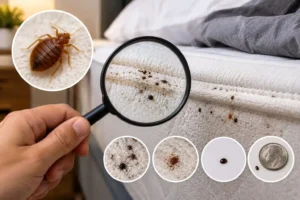
A new nest with a few dozen wasps is straightforward. But a mature colony with thousands of insects, especially in mid-summer, is a different story. For unrelated pest issues, our Bed Bug Treatment Services in NYC can help as well. Larger, older colonies take more time, more chemical treatment, and more follow-up visits.
4. Emergency or After-Hours Service
If you discover an aggressive swarm on a weekend or late evening, you’ll likely pay an emergency call-out fee. Pest control companies often charge 25–50% more for urgent visits outside business hours.
5. Regional Location
Pricing differs by city and climate:
- Urban areas: $250–$600 on average, due to licensing costs and higher demand.
- Rural or suburban areas: $150–$350, depending on accessibility.
Bee Relocation vs. Extermination
It’s important to distinguish between bee relocation and extermination, both have different costs and ethical implications.
Bee Relocation
Honeybees are crucial for our ecosystem, so most professionals prefer to relocate them rather than kill them.
This process involves:
- Identifying the hive and confirming it’s a bee colony (not wasps).
- Carefully removing the queen and hive using vacuum or cutting methods.
- Transferring the colony to a beekeeper’s hive box for rehoming.
- Sealing the entry points to prevent re-infestation.
Because of the skill, time, and care required, relocation costs between $200 and $600, depending on hive size and access.
Wasp and Hornet Extermination
Unlike bees, wasps and hornets are aggressive predators. Extermination is done using insecticides and nest destruction.
Professionals wear protective suits and use high-reach applicators to spray the nest from a safe distance. After treatment, the nest is removed or left to disintegrate naturally once inactive.
Cost: $150–$400, depending on nest size and height.
DIY vs. Professional Extermination
You might be tempted to handle the problem yourself — especially if you spot a small nest early. DIY sprays cost less than $30, and for minor wasp activity, they can be effective.
However, DIY extermination carries significant risks:
- Wasp stings are painful and can trigger life-threatening allergic reactions.
- Disturbing a large colony can provoke swarming behavior.
- Hidden nests (especially inside walls or attics) often go untreated, leading to reinfestation.
Why Professional Help Is Worth It
A licensed exterminator has:
- Protective suits and specialized tools.
- Access to professional-grade pesticides.
- Experience identifying different species.
- Knowledge of safe disposal and prevention.
They also typically provide a warranty or guarantee, if the insects return within 30–90 days, they’ll re-treat at no extra cost.
That peace of mind alone often makes the price worth it.
Cost Breakdown by Removal Type
| Service Type | Average Price Range (USD) | Details |
| Bee Relocation | $200–$600 | Humane removal, relocation to a beekeeper’s hive |
| Wasp Extermination | $150–$350 | Chemical treatment and nest removal |
| Hornet Nest Removal | $250–$500 | Specialized high-reach tools, protective gear are required |
| Emergency Visit | $300–$700 | Immediate or after-hours service |
| Preventive Follow-up | $100–$250 | Inspection and barrier treatments |
What’s Included in a Professional Service?
When you hire a pest control professional, here’s what you typically get:
- Inspection:
They locate the nest(s), identify species, and assess risk. - Treatment Plan:
The exterminator selects the safest and most effective removal method, considering nearby people, pets, and vegetation. - Extermination or Relocation:
Depending on the insect, either an insecticide or gentle vacuum removal is used. - Nest Removal and Cleanup:
Dead insects and nest materials are safely disposed of. - Sealing and Prevention:
Cracks, vents, or openings are sealed to prevent future infestations. - Follow-Up Visit (Optional):
Some services offer monitoring after a few weeks to ensure complete eradication.
Seasonal Cost Differences
Timing also matters.
- Spring: Lowest cost. Early detection means smaller nests and less risk.
- Summer: Peak season; nests are largest, and prices rise 20–30%.
- Fall: Colonies start dying off, but dormant queens can hide indoors for winter.
- Winter: Rare cases; removal may involve wall hives or attic infestations, which are more expensive.
For cost savings, it’s best to inspect your property early in the spring before colonies grow.
Prevention Tips to Avoid Future Infestations
Once your property is clear, prevention is key. Here’s how to keep bees and wasps from returning:
- Seal Entry Points:
Close gaps around eaves, vents, and siding with caulk or mesh. - Maintain Outdoor Spaces:
Trim bushes and trees, and keep garbage bins tightly sealed. - Avoid Sweet Scents Outdoors:
Perfumes and sugary drinks attract stinging insects. - Inspect Regularly:
Check sheds, attics, and decks monthly during spring and summer. - Call for Early Intervention:
The earlier a nest is removed, the cheaper and safer the process will be.
Environmental and Legal Considerations
Bees are vital pollinators, and some local laws prohibit killing honeybees. Always check if relocation is mandatory in your area. Reputable pest control companies understand these regulations and often partner with local beekeepers to ensure compliance.
For wasps, extermination is typically allowed and sometimes necessary for safety, especially for species like yellow jackets and hornets known for their aggression.
How to Choose the Right Pest Control Company
When comparing exterminators, don’t just go for the lowest quote. Instead, look for these qualities:
- Licensed and Insured: Always verify credentials.
- Positive Reviews: Read real customer feedback online.
- Transparent Pricing: No hidden charges.
- Eco-Friendly Options: Prefer services that use non-toxic or relocation methods when possible.
- Guarantee Policy: Ask if follow-up treatments are included.
Pro Tip: Ask if the company offers both bee relocation and wasp extermination. Specialists in both are more likely to choose the most ethical and effective approach for your case.
Saving Money on Extermination
Here are some practical tips to reduce extermination costs without compromising safety:
- Schedule Off-Peak: Springtime rates are often lower.
- Bundle Services: Combine bee/wasp removal with termite or ant control for discounts.
- Prevent Early: Annual inspections catch small nests before they become costly.
- Compare Quotes: Get at least 2–3 estimates from licensed providers.
Conclusion:
The cost of bee and wasp extermination in 2025 generally falls between $150 and $600, depending on your situation. While DIY solutions can handle small wasp nests, larger infestations or bee colonies require professional expertise.
Choosing a qualified pest control service ensures not only your safety but also the humane treatment of beneficial species like honeybees. The right exterminator will eliminate the problem efficiently, seal off entry points, and help prevent future issues, giving you lasting peace of mind.
Final Tip
If you notice increased buzzing or swarming near your home, don’t wait. The earlier you act, the cheaper, safer, and easier the extermination process will be. Contact a professional pest control experts today and reclaim your space, sting-free.