When winter hits New York City, most people expect a break from pests. Cold air, sealed windows, cozy heaters, it feels like nothing could survive inside. Yet for many insects, that warmth is an invitation. Heated apartments, high humidity, and the cracks of old buildings create perfect shelters. What hides behind your radiator or inside the walls might surprise you. Let’s uncover what’s really happening behind the walls this winter, and how to stop it for good.
Why NYC Homes Aren’t Pest-Free in Winter
New York’s architecture helps insects survive. Dense housing, aging insulation, and interconnected heating systems give them cover and warmth. A single opening around a radiator pipe can lead to entire colonies settling inside walls.
In high-rise buildings, steam risers, elevator shafts, and shared ventilation make perfect travel routes. In brownstones, basements and crawl spaces hold steady warmth even during freezing nights. Add humidity from cooking, showering, and drying laundry indoors, and you’ve created an ecosystem pests love.
According to building-maintenance studies, even short bursts of moisture, such as from radiator leaks or window condensation, raise humidity above 60 percent, enough for mold and moisture-loving species to thrive. That’s why apartments often see sudden appearances of tiny jumping bugs or soft-bodied insects mid-winter.
And outside, the city’s recent run-ins with the spotted lanternfly show how easily invasive species adapt to urban heat. While they rarely enter homes, they prove how climate-shielded cities like New York can host insects year-round.
10 Hidden Winter Invaders Inside NYC Apartments
1. Cluster Flies
Cluster flies are slower and larger than houseflies. They don’t reproduce indoors but cluster in dark, warm voids like attics and wall cavities. On mild days, they wake up and buzz toward windows. Vacuuming and sealing small openings near lights, windows, and attic vents keeps them out. Avoid sprayS, they do little against flies inside walls.
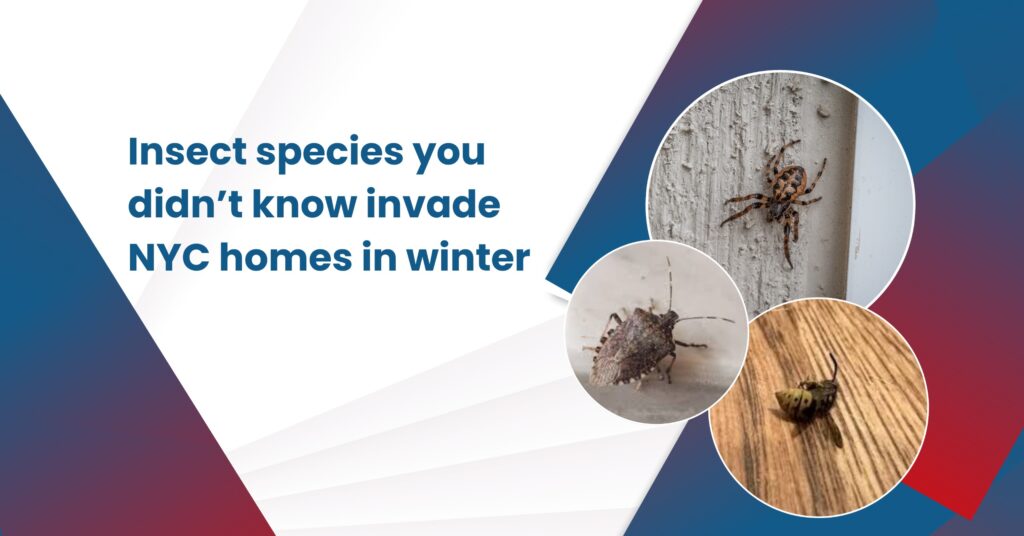
2. Brown Marmorated Stink Bugs
These shield-shaped insects slip indoors through window screens and siding in autumn, then hide until mid-winter warmth draws them out. When crushed, they emit a pungent odor that lingers. Prevent them by sealing utility penetrations, tightening door sweeps, and repairing damaged mesh. Vacuum, don’t crush, they release fewer odors when removed intact.
3. Carpet Beetles
A quiet destroyer of fabrics, carpet beetle larvae feed on wool, feathers, and pet hair. They prefer dark, undisturbed areas like closet corners or under furniture. In New York’s older buildings, natural fabrics and poor ventilation let them multiply.
Control starts with cleanliness, vacuum frequently, launder blankets on high heat, and store off-season clothes in airtight plastic bins. Natural repellents like cedar chips can help, but prevention is all about reducing food sources.
4. Springtails
Barely visible to the eye, these moisture-seeking insects often appear in bathrooms, window sills, or around radiators. They jump when disturbed, thanks to a spring-like appendage under their bodies.
Their presence signals a moisture problem, not filth. Reduce humidity with dehumidifiers and fix plumbing leaks. Keeping indoor relative humidity around 45 percent drives them away naturally.
5. Psocids (Booklice)
Psocids feed on microscopic mold, paper glue, and starches. They flourish in humid apartments, especially around bookshelves, stored documents, or near bathroom vents.
Lowering humidity below 50 percent is enough to starve them. Regular ventilation, HEPA vacuuming, and cleaning bookshelves with diluted alcohol or vinegar remove their habitat.
6. Pantry Moths (Indianmeal Moths)
The pantry moth is a classic winter invader in NYC kitchens. It enters through infested dry foods, flour, rice, cereals, or pet feed, and can travel between apartments through shared ducts or hallways.
When you notice small moths near your cabinets, throw out affected items immediately. Wipe shelves with vinegar, and store new goods in glass or metal containers. A few pheromone traps near shelves can break the life cycle safely.
7. Pharaoh Ants
Pharaoh ants prefer constant warmth and moisture, both abundant in city kitchens. They nest behind baseboards and in plumbing chases, moving colonies if sprayed.
Instead of using insecticides, rely on bait traps and cleanliness. Wipe counters daily, seal sugary foods, and fix drips under sinks. They spread easily between apartments, so coordination with neighbors or management may be necessary.
8. German and American Cockroaches
These are New York’s most persistent winter survivors. Steam pipes, boiler rooms, and shared trash areas stay warm enough for year-round breeding.
German roaches often hide in kitchens and bathrooms; American roaches prefer basements and elevator shafts. Cockroaches multiply fast, missing even one egg case can restart a colony. Keep sinks dry overnight, seal cracks with silicone, and schedule periodic inspections.
9. Boxelder Bugs
Though harmless, boxelder bugs are a nuisance that stains walls and curtains. They cluster on sunny building sides in autumn and sneak indoors through window gaps.
Vacuum them gently, caulk around sills, and repair weather stripping. Preventing entry in late fall is far easier than removal mid-winter.
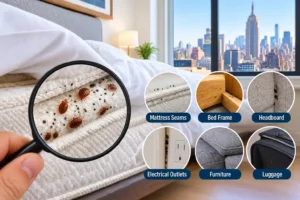
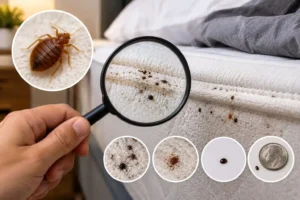
10. Bed Bugs
Still a reality across NYC, bed bugs do not die off in winter. They survive easily in heated apartments and can spread through shared walls or secondhand furniture.
Recognize them early, small rust spots on sheets or itchy bites on arms. Notify your landlord immediately and document sightings. Under city law, landlords must arrange professional extermination. For residents, laundering linens at 60°C and sealing infested items in plastic until treatment helps prevent spread.
How to Keep Winter Insects Out
1. Seal Every Entry Point
Use weatherstripping on doors and windows. Apply silicone caulk around radiators, pipes, and electrical outlets, places insects use like highways. Fine mesh over vents blocks both cluster flies and stink bugs. A weekend of sealing can eliminate many future infestations.
2. Control Moisture
Aim for 40–50 percent humidity. Vent bathrooms after showers, run kitchen exhaust fans, and fix leaks immediately. Even one leaky valve can raise humidity enough for psocids or springtails. A small digital hygrometer helps you monitor conditions easily.
3. Clean Smart
Dust and lint feed several indoor insects. Vacuum baseboards, under beds, and inside closets weekly. Use HEPA filters to trap eggs and larvae. Wash rugs and blankets in hot water monthly during winter. Keep storage organized, clutter hides pests.
4. Protect the Kitchen
Inspect dry foods monthly. Keep flour, rice, and pet feed sealed in airtight containers. Discard open packages that sit unused for more than a few weeks. Wipe pantry shelves with vinegar, and check ceilings and light fixtures, pantry moths often rest there.
5. Adopt an Integrated Pest Management (IPM) Approach
True prevention means combining sanitation, exclusion, and monitoring. IPM focuses on addressing root causes, moisture, entry points, and clutter, before reaching for chemicals. It’s safer, cheaper long-term, and the method most NYC exterminators follow today.
What Not to Do
Avoid “bug bombs.” They spread pesticides unevenly, drive insects deeper into walls, and can make infestations worse. Never use hardware-store sprays on bed bugs or ants, they disperse the colony instead of killing it. Overuse of chemicals indoors also affects air quality, especially in small apartments. Stick with cleaning, sealing, and targeted professional methods.
When to Call a Professional
If insects keep returning, you’re likely dealing with a building-wide issue. Persistent cockroaches, carpet beetles, or bed bugs require licensed pest-control experts. Ask for technicians certified in New York State and familiar with multi-unit protocols.
Renters can call 311 if landlords fail to act on bed-bug infestations. For more complex problems, professional winter pest control in NYC includes building inspections, humidity management, and exclusion sealing before breeding resumes in spring.
Final Takeaway
Winter doesn’t freeze insects; it drives them indoors. In NYC, warmth, humidity, and old construction make homes ideal for hidden infestations. Seal cracks, manage moisture, and act early before small problems spread.
If you notice signs of pests, contact Diamond Plus Pest Control. Our licensed team offers winter pest control in NYC using safe, targeted methods that eliminate insects and prevent re-entry.
Book your free inspection today and keep your home protected all season.
Quick Answers to Common Winter Pest Questions
Why do I see flies near windows in December?
They’re cluster flies waking up when sunlight warms wall voids. Vacuum and seal the entry points, they won’t reproduce inside.
Tiny jumping bugs in the bathroom, dangerous?
Those are springtails. They’re harmless but signal excess moisture.
Why are moths in my cereal boxes?
Pantry moths hitchhike in dry goods. Discard infested food and clean shelves with vinegar.
Do bed bugs die in cold weather?
Not indoors. In heated NYC apartments, they survive year-round.