
Local stinging-insect service
Bee Removal NYC Fast, Safe & Properly Planned
Bee and wasp control for homes, apartment buildings, and businesses across New York City. Bees entering a wall? A wasp nest under the roofline? Yellowjackets near a doorway or outdoor dining area? Diamond Plus identifies the insect, finds the nesting area, and explains the right next step before work begins.
The service answer comes first
Bee, Hive and Wasp Nest Removal Services in NYC
A bee and wasp exterminator should not treat every flying insect the same way. The first job is to identify the species, confirm whether the colony is exposed or hidden, and choose a service method that fits the nesting location.
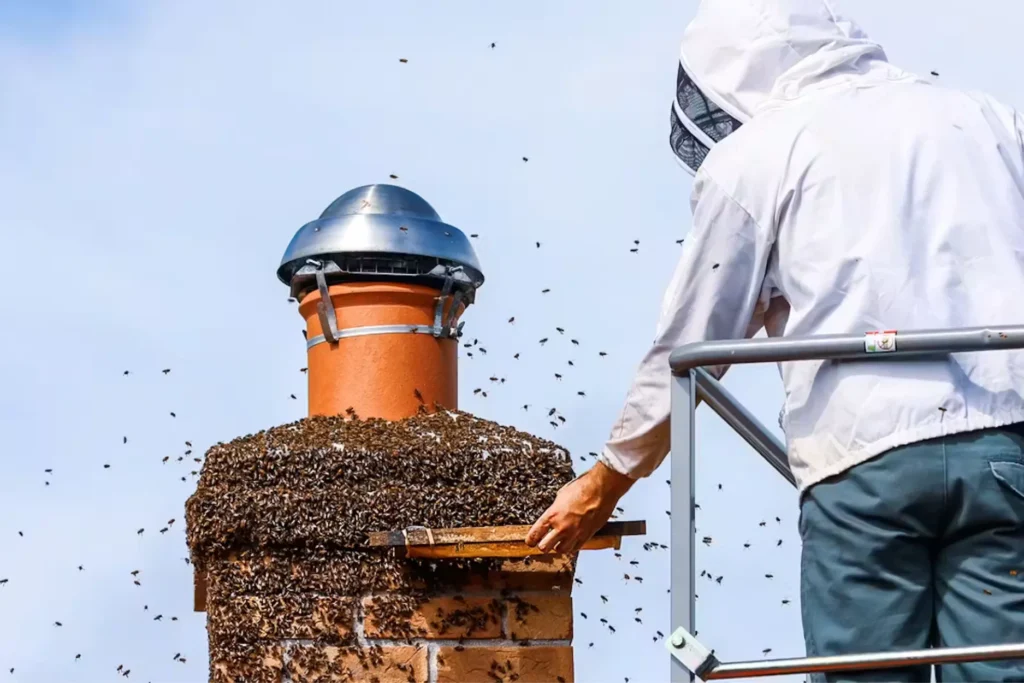
Bee Hive & Colony Removal
Inspection for colonies in walls, chimneys, attics, rooflines and other protected cavities. Accessible hive or comb work is explained before the job begins.
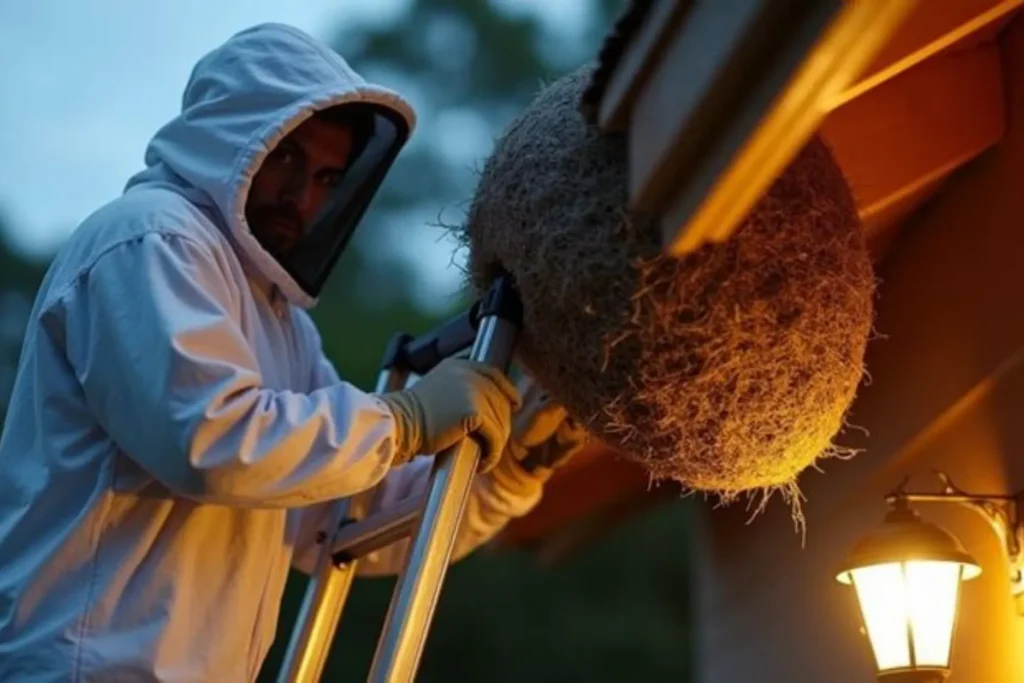
Wasp Nest Removal
Targeted control for paper wasps, yellowjackets and other active nests under eaves, in voids, in the ground or on the building exterior.
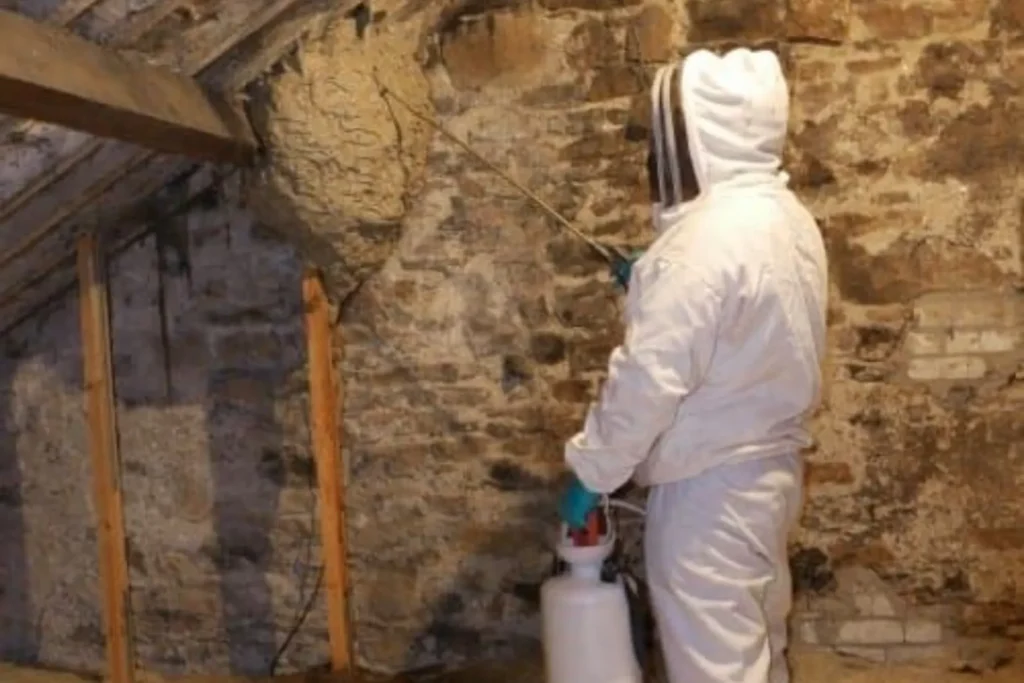
Carpenter Bee Control
Treatment for active galleries in decks, siding, fascia, trim and railings, followed by guidance on repair timing and wood protection.
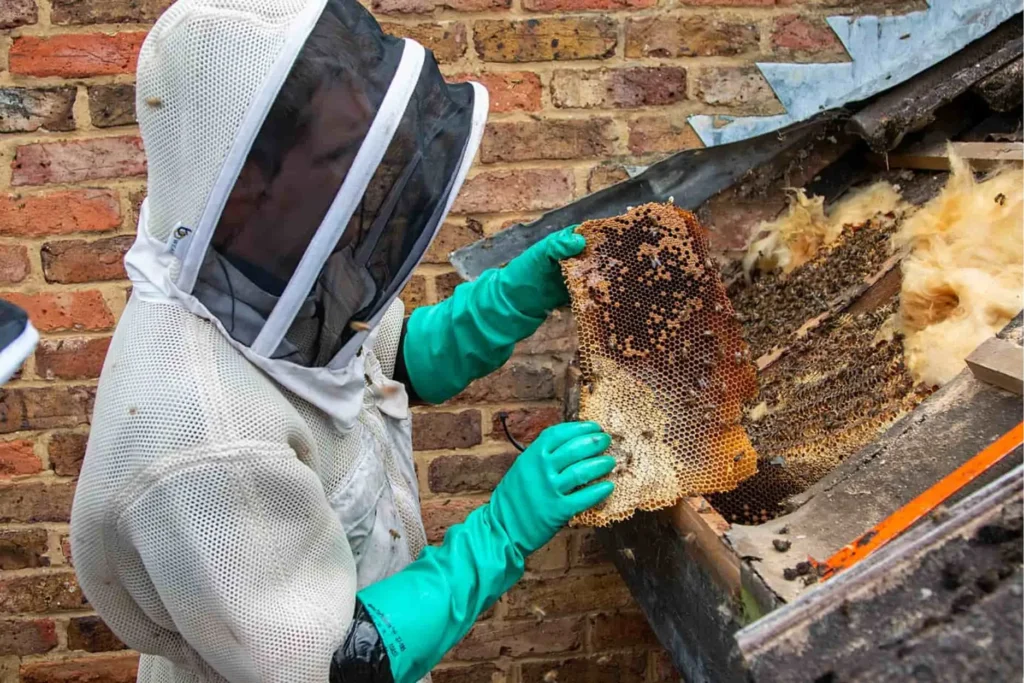
Swarm & Honey Bee Assessment
We determine whether the activity is a temporary swarm or an established colony and explain the practical removal or referral route.
Helpful identification topics
Common Bees, Wasps, and Hornets in NYC
Explore the common stinging insects foun around New York properties. Each supporting article can explain identification and nesting behavior, then guide visitors back to the appropriate removal service.
- ›Honey Bee
- ›Carpenter Bee
- ›Bumblebee
- ›Paper Wasp
- ›Yellowjacket
- ›Bald-Faced Hornet
- ›Mud Dauber
- ›European Hornet
- ›Digger Bee
- ›Cicada Killer Wasp
Publish each identification guide before activating its link.
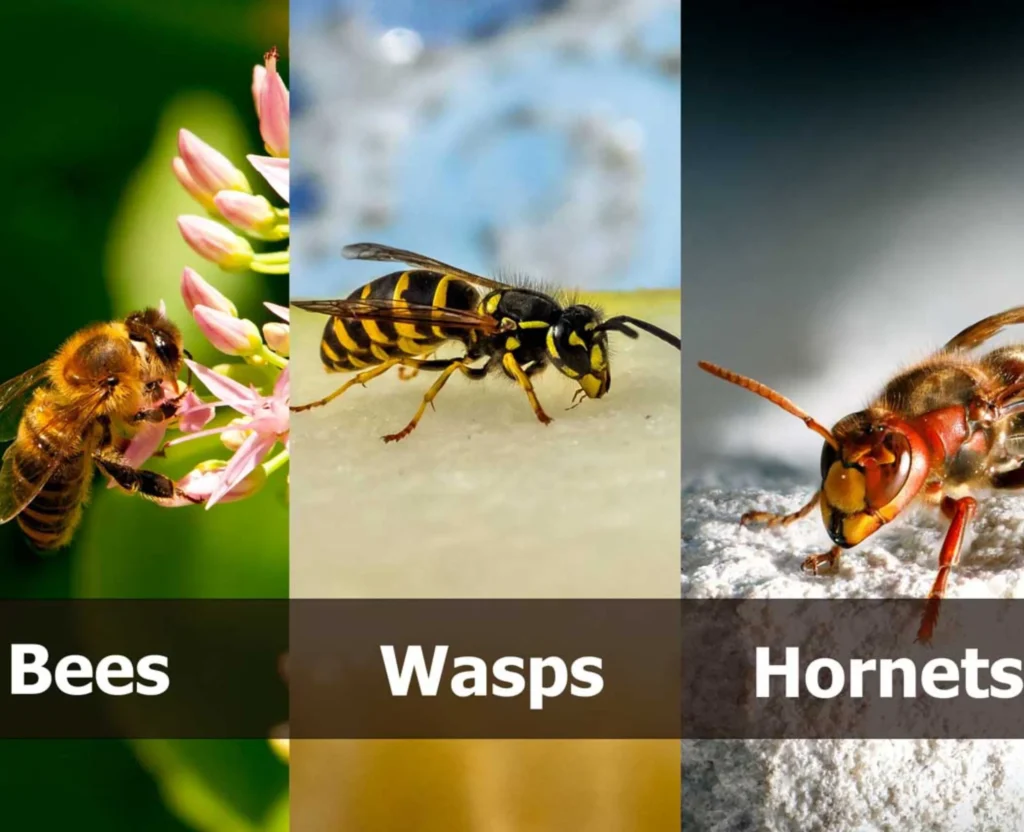
Bee, Wasp & Hornet Identification
Use these supporting guides to compare appearance, nesting habits and warning signs before choosing the appropriate bee or wasp service.
Short identification, commercial-style copy
Common Bees, Wasps and Hornets We Handle
A small amount of identification helps you understand the problem. The main focus here is what the activity means for your property and how Diamond Plus can address it safely.
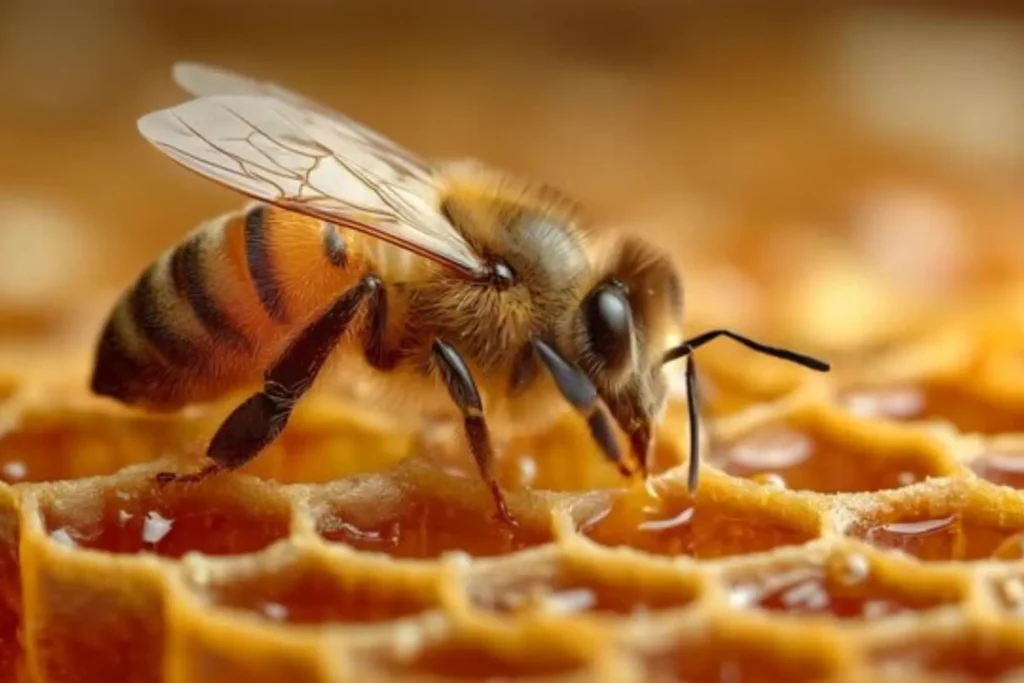
Honey Bees
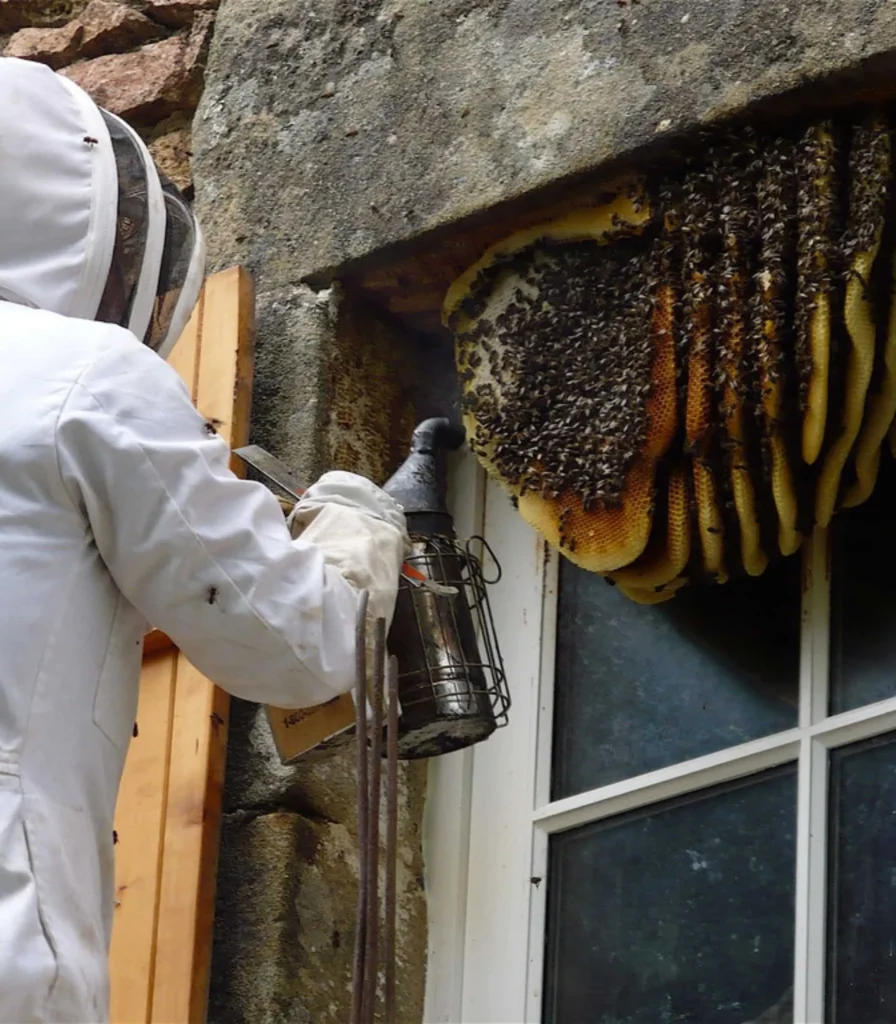
If you see a swarm on a tree branch or steady bee traffic into a wall, soffit, or chimney, the situation needs a planned response. Diamond Plus inspects the colony location, explains the practical service route, and helps you avoid sealing the entry point too early.
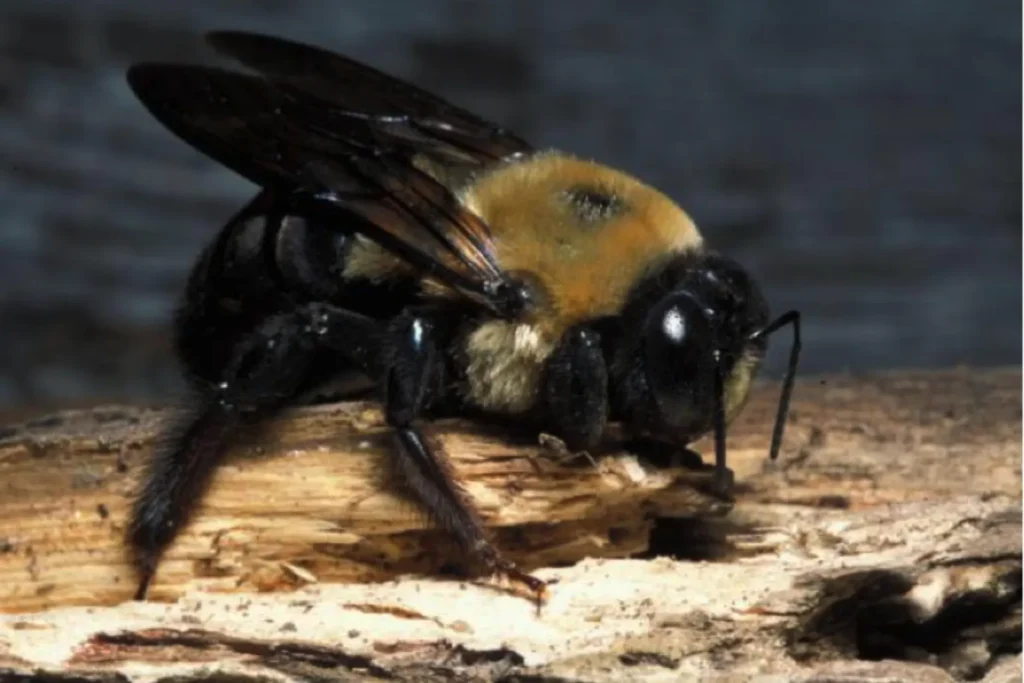
Carpenter Bees
Smooth round holes in decks, fascia, trim, railings, or other exposed wood usually point to carpenter-bee activity. We treat the active area, help reduce repeat nesting, and explain what should be sealed, filled, or protected after service.
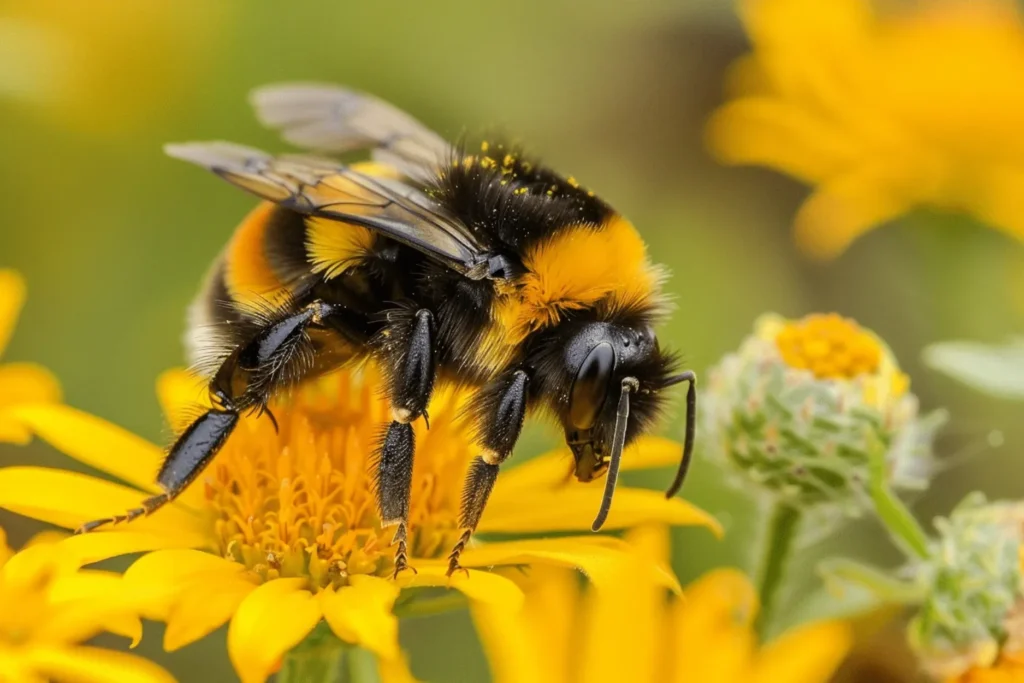
Bumblebees
Bumblebees may use sheltered cavities or ground areas, and the real question is whether the nest is creating a risk near people, pets, or entrances. If it is, we evaluate the location and recommend the safest, most practical next step.
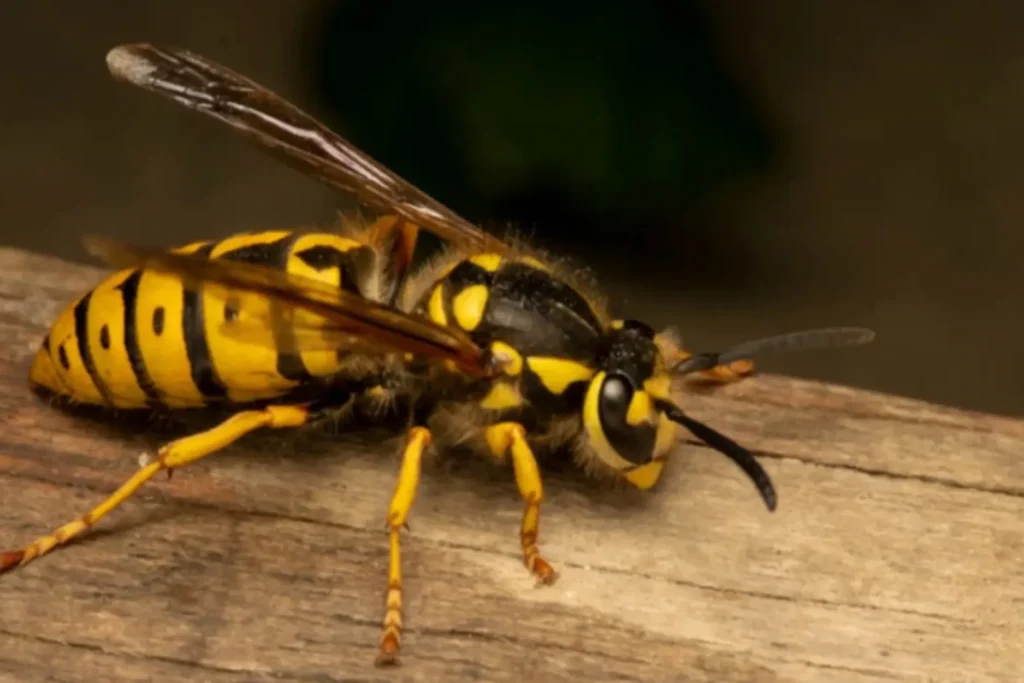
Yellowjackets
Repeated yellowjacket traffic into one ground opening, wall gap, or roofline often means the colony is hidden and defensive. We locate the active nesting area and treat it with a controlled service plan rather than random spraying.
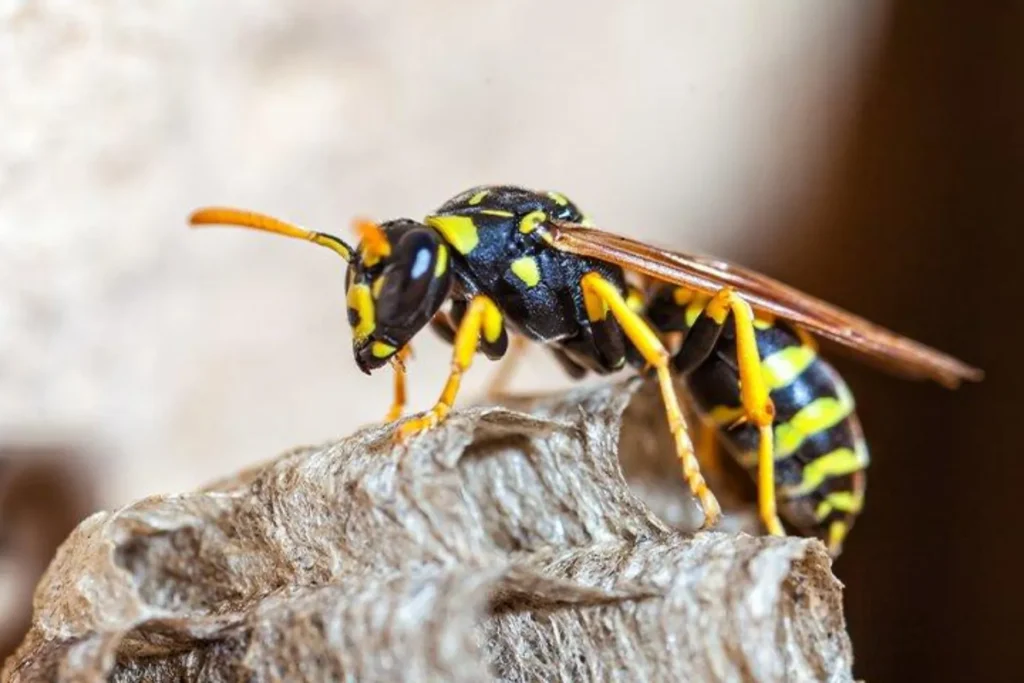
Paper Wasps
Paper wasps commonly build under eaves, porch ceilings, light fixtures, railings, and other sheltered exterior spots. We handle active nests near doors, windows, walkways, and customer areas.
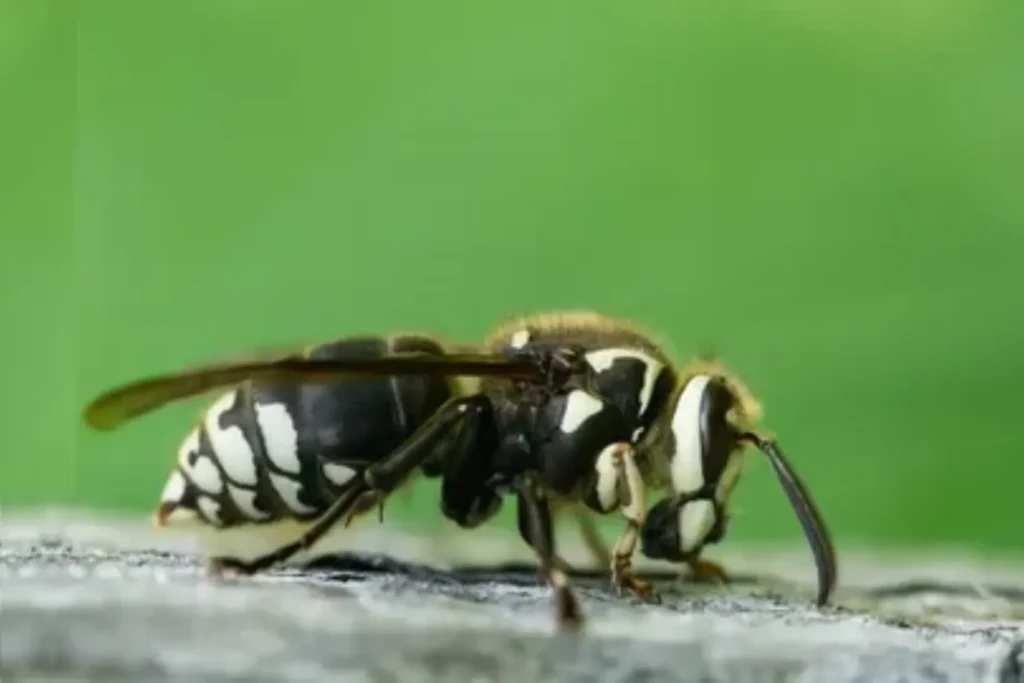
Bald-Faced Hornets
Large enclosed hornet nests near siding, soffits, trees, and rooflines can quickly become a serious safety issue. Diamond Plus treats high-risk nests with the right equipment and explains removal options.
A clear process, not guesswork
Our Bee and Wasp Removal Process
The service plan changes with the species, nest location, access, and property conditions, but the flow below keeps the customer experience clear and easy to follow.
1
Call & Triage
You tell us where you see activity, whether anyone is at immediate risk, and what part of the property is involved.
2
Inspection
We identify the insect, trace the flight path, check the nesting area, and confirm whether the activity is exposed or hidden.
3
Treatment Plan
You get a practical explanation based on the species, the nesting location, the access level, and the service scope.
4
Targeted Service
The active area is treated with a method that fits the problem instead of relying on guesswork or surface-only spraying.
5
Entry-Point Advice
We explain when sealing, wood repair, screen repair, or other corrective work should happen after the active issue is handled.
6
Follow-Up Guidance
You know what activity may still be normal for a short time and what prevention steps help reduce repeat nesting.
Service benefits that matter to the customer
What You Get When You Hire Diamond Plus
The service is designed to solve the current problem and leave you with clear guidance for reducing future bee and wasp activity.
ID
Correct Identification First
Honey bees, carpenter bees, bumblebees, paper wasps, yellowjackets, and hornets do not behave the same way, so the service plan should not be generic either.
⌖
Nesting Area Located
We inspect rooflines, soffits, siding gaps, wall voids, attic areas, trees, exposed wood, and ground openings to find where the activity is centered.
✓
Clear Scope Before Work
You get a practical explanation of what is being treated, whether accessible nest material may be removed, and what is separate from the pest service itself.
⌂
Home and Business Ready
The service plan works for houses, apartment buildings, restaurants, retail storefronts, office entrances, and other occupied properties.
↻
Post-Service Expectations
You are told what short-term activity may still happen, when it should slow down, and when to call again if traffic does not change.
✦
Prevention Tips Included
You are guided on future precautions, including which gaps, wood surfaces, screens, food sources, trash areas, or exterior conditions should be improved.
Why Diamond Plus
Why Choose Our NYC Bee Removal Team?
- Licensed and insured local professionals
- Same-day and emergency availability when scheduling allows
- Residential and commercial stinging-insect service
- Species-specific treatment instead of generic spraying
- Clear explanation before approved work begins
- Guidance on sealing, repairs, and future prevention
Local coverage
We Service All 5 Boroughs
Bee and wasp control is available across Manhattan, Brooklyn, Queens, the Bronx, and Staten Island.
Residential + commercial
Bee and Wasp Solutions for Homes and Businesses
Service is available for both private residences and customer-facing commercial properties, with scheduling and access planned around the way each property is used.
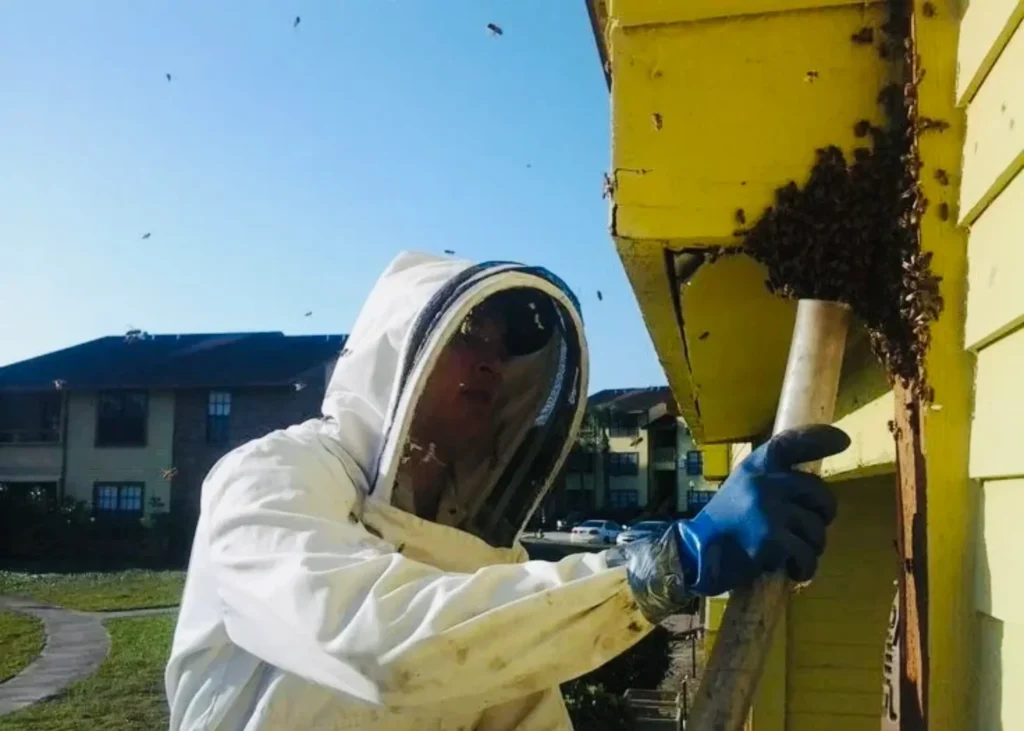
Residential Bee & Wasp Control
Service for houses, townhomes, brownstones, condos, apartment buildings, and shared residential properties.
- Rooflines, soffits, siding gaps, and chimneys
- Decks, porches, fences, and other exposed wood
- Trees, play areas, backyards, and walkways
- Wall voids, garages, attic areas, and window frames
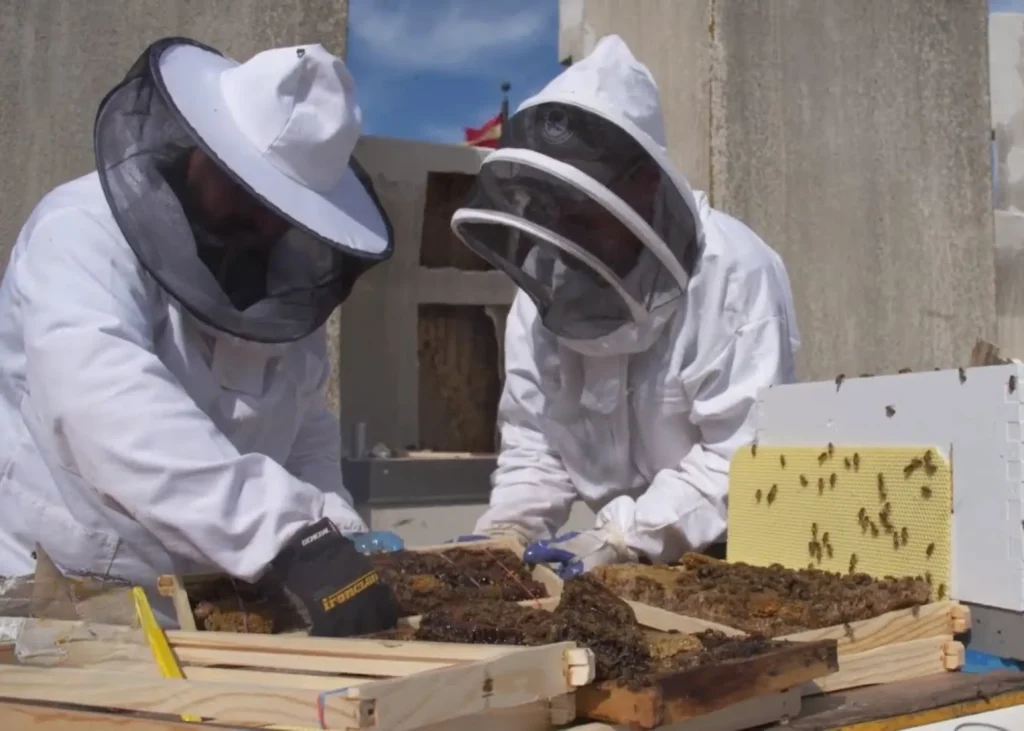
Commercial Bee & Wasp Control
Service for customer-facing and managed properties where stinging insects can quickly turn into a safety problem.
- Restaurants and outdoor dining areas
- Retail storefronts and office entrances
- Apartment buildings and managed properties
- Hospitality sites, service businesses, and mixed-use buildings
Useful infographic
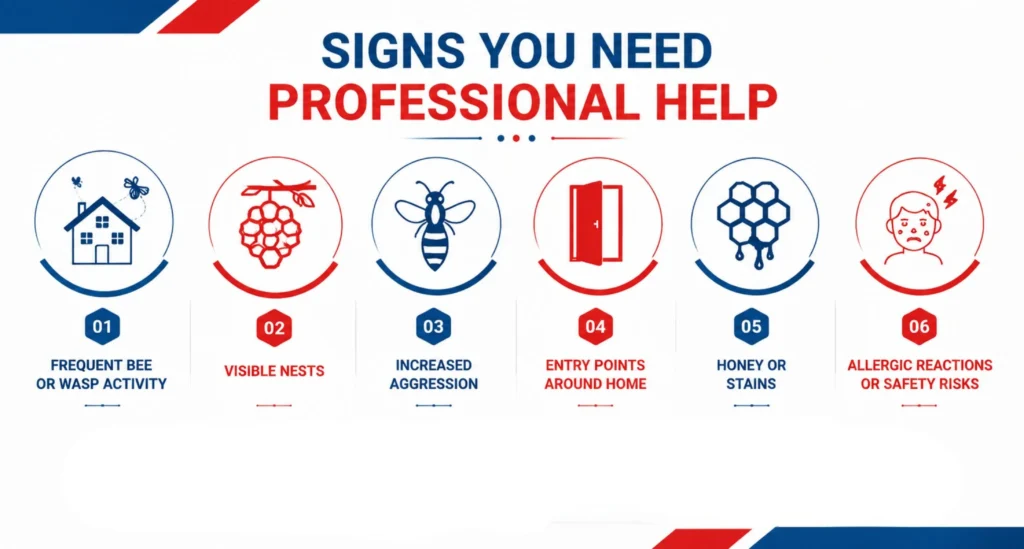
Signs You Need Professional Help
Call before the nest becomes harder to reach or the activity moves closer to people. These signs often point to an active nest, hidden colony or avoidable sting risk.
Important: do not block an active wall or roofline opening first. Closing the main exit too early can redirect insects indoors.
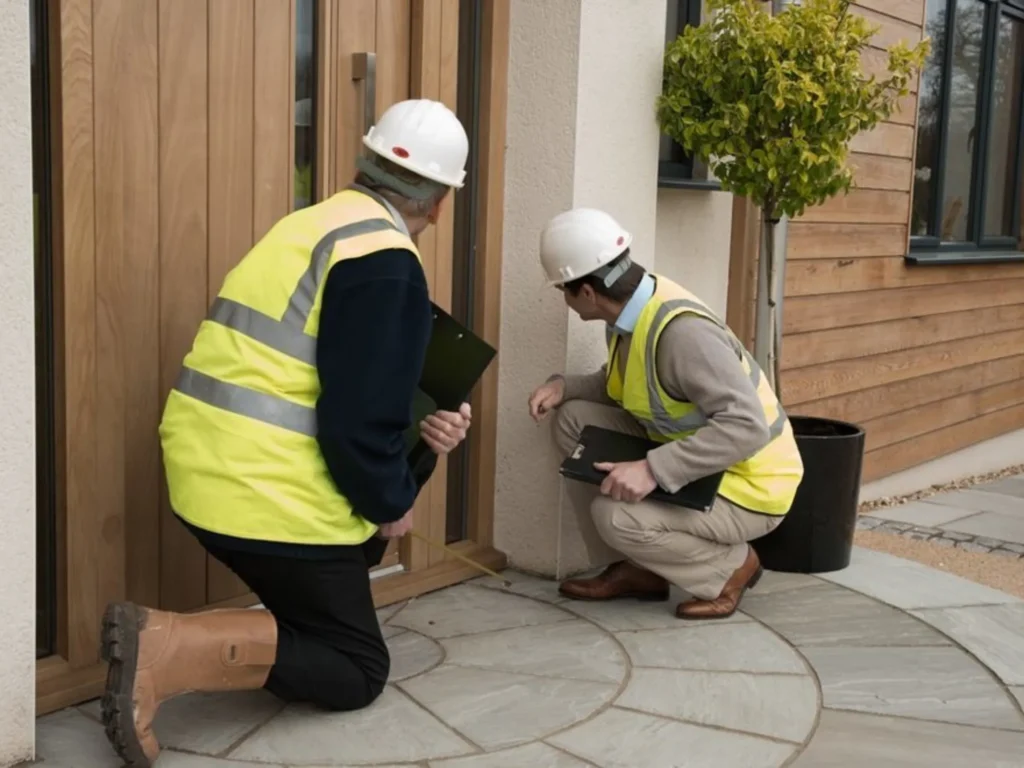
Optional video section
See How a Bee or Wasp Inspection Works
A real field video can show how technicians follow insect traffic, locate the nesting area and explain the next step.
- Show where the insects were first noticed.
- Follow the flight path to the nesting area.
- Explain how the species was identified.
- Show the service approach safely.
- Finish with repair timing and prevention tips.
Replace the poster image with a real Diamond Plus field video when it is available.
Pricing context
What Usually Affects Bee Removal Cost in NYC?
Instead of using made-up flat prices, this table explains the real factors that change the size of the job.
| Cost factor | Why it matters | Example |
|---|---|---|
| Species and nest type | Different insects need different treatment and removal decisions. | Carpenter-bee galleries are not handled the same way as a yellowjacket ground nest. |
| Nesting location | Hidden wall voids, soffits, chimneys, and high rooflines can change access and labor. | A visible paper-wasp nest is usually simpler than bees inside a structural cavity. |
| Colony size and activity | Heavier traffic or a large active colony can expand the scope. | One small nest near a railing compared with a long-established colony behind siding. |
| Removal and repair scope | Pest service and structural repair may be separate items. | Accessible nest removal versus opening a finished wall or repairing damaged wood. |
| Urgency | Emergency scheduling depends on technician routing and how serious the safety issue is. | A nest beside a busy doorway, restaurant entrance, or child play area. |
For a detailed breakdown, read the bee removal cost guide.
Testimonials
Trustindex verifies that the original source of the review is Google. Syed’s work was truly outstanding. I didn’t expect he would do it so beautifully. After seeing his work, I’m bound to recommend him.Posted on GoogleTrustindex verifies that the original source of the review is Google. Syed did a wonderful job highly recommended ask for syed.Posted on GoogleTrustindex verifies that the original source of the review is Google. The team arrived as scheduled, and the work was completed with great attention to detail.Posted on GoogleTrustindex verifies that the original source of the review is Google. A comprehensive pest control solution was applied, leaving the property protected.Posted on GoogleTrustindex verifies that the original source of the review is Google. All affected areas were treated properly, and helpful advice was provided afterward.Posted on GoogleTrustindex verifies that the original source of the review is Google. The inspection was completed carefully, and all problem areas were properly addressed.Posted on GoogleTrustindex verifies that the original source of the review is Google. A thorough pest treatment was carried out, and noticeable results were seen within a short time.Posted on GoogleTrustindex verifies that the original source of the review is Google. Very professional job. Advise you and good listener. Thank you for the great work.Posted on GoogleTrustindex verifies that the original source of the review is Google. I used their services for property management pest control. The results were long lasting, and the service was smooth from start to finish.Posted on GoogleTrustindex verifies that the original source of the review is Google. Professional pest removal service with great attention to detail. They addressed bugs, insects, and roaches efficiently. The team explained preventive steps clearly.
Direct answers to real search questions
Bee Removal NYC FAQs
Bee removal cost depends on the insect, nesting location, access, height, colony size, and whether the activity is exposed or hidden inside a wall, roofline, attic, chimney, soffit, or ground opening.
Some policies treat bee or wasp activity as maintenance, while others may respond differently if there is covered damage. Coverage depends on your carrier and policy terms.
Keep children and pets away from the active area, do not spray randomly, and do not seal the entry point first. Call a licensed local professional for identification and a practical service plan.
Yes. Bees and wasps can use gaps around a window AC unit, side panels, trim, or nearby wall voids. The colony should be addressed before those gaps are sealed.
Same-day appointments may be available depending on the borough, the time of your call, technician routing, and whether the nesting area is accessible.
Repeated traffic through one gap usually means the nesting area is hidden. The opening should not be blocked first. The technician should inspect the flight path and treat the activity.
Yes. Diamond Plus provides bee and wasp control for houses, apartment buildings, restaurants, outdoor dining areas, storefronts, offices, and managed properties.
Yes. After the active issue is addressed, you can be shown which gaps, wood surfaces, screens, food sources, or exterior conditions should be improved.
Need fast help?
Need Bee or Wasp Removal in NYC?
Tell us what you are seeing, where the insects are entering, and whether the nest is near people, pets, tenants, or customers.