
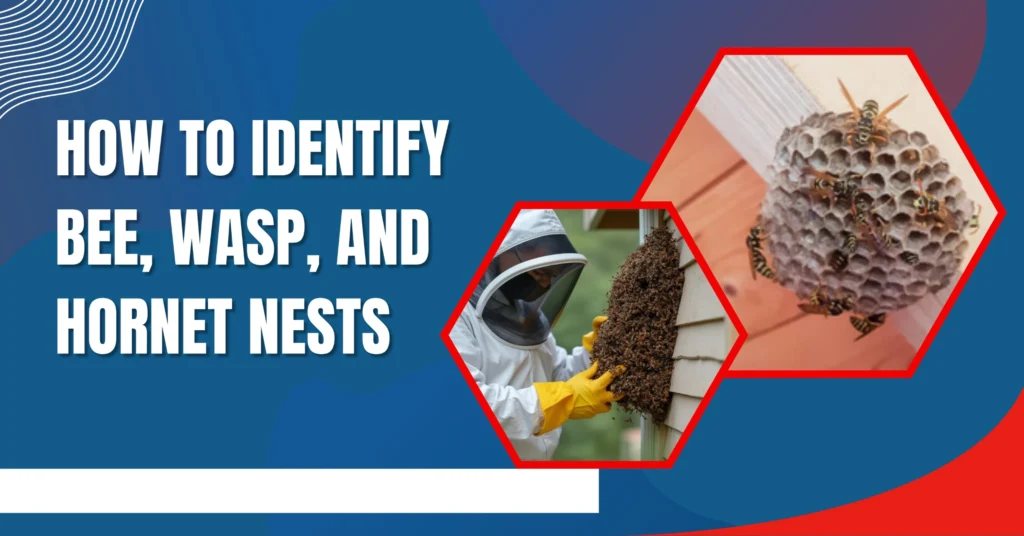
Encountering a buzzing nest near your home can be unsettling, especially if you’re unsure whether you’re dealing with bees, wasps, or hornets. While these insects are vital to our ecosystem, their nests can pose safety concerns, especially if they’re located close to your home. Knowing how to identify bees, wasps, and hornet nests will not only help you stay safe but also guide you on how to manage them responsibly. Let’s break down the key differences between these three types of nests, what to look for, and when it’s time to call in the professionals.
Understanding the Differences Between Bee, Wasp, and Hornet Nests
Bees:
They are often the most misunderstood when it comes to nest identification. These hardworking insects typically build their hives in hollowed-out trees, rock crevices, or even inside the walls of homes. A bee nest looks like a waxy honeycomb and is made up of numerous hexagonal cells. Bees are essential for pollination, and while their sting is painful, they’re generally not aggressive unless provoked.
Wasps:
Wasps are more aggressive and often build their nests in areas that are easily visible, such as on tree branches, under roof eaves, or even in attics. Their nests are made from paper-like material created by chewing wood fibers, and the nests often have a more papery, layered texture compared to bee hives. Wasps are usually more defensive and can become agitated quickly if they feel threatened.
Hornets:
Hornets are a type of large wasp but with more aggressive tendencies. Hornet nests tend to be larger and football-shaped. They are made from the same paper-like substance as wasp nests, but hornets typically build their nests higher up, hanging from trees or under eaves. Their nests can grow quite large, and their stings are more painful due to their size and venom. Hornets are highly territorial and will aggressively defend their nests.
Key Signs of Bee, Wasp, and Hornet Nests
Bee Nests:
- Location: Bees prefer secluded, quiet places. They often build their nests in hollow trees, walls, or attics. Look for a quiet buzzing sound coming from these areas.
- Structure: Bee nests are made from beeswax and resemble a honeycomb structure with hexagonal cells. It can be found inside walls, under floorboards, or in tree cavities.
- Behavior: Bees are usually calm and focused on collecting pollen. They are not aggressive unless provoked, so if you see bees flying in and out of a particular area, you likely have a nest nearby.
Wasp Nests:
- Location: Wasps prefer open spaces, so their nests are commonly found hanging from tree branches, under roof eaves, or in attics. They can also build nests inside walls.
- Structure: Wasps build nests from chewed wood fibers, and their nests have a papery, layered texture. The nest often resembles an upside-down cone or a large, open ball.
- Behavior: Wasps are more aggressive than bees. If you see wasps flying around a particular location or aggressively defending a nest, it’s a sign that the nest is nearby. Wasps tend to be more active during the summer months.
Hornet Nests:
- Location: Hornets tend to build their nests in elevated locations, such as tall trees or under roof eaves. They prefer secluded, high-up areas.
- Structure: Hornet nests are larger than wasp nests and typically have a large, round, or football shape. The exterior is smooth and grayish, and the nests are composed of paper-like material.
- Behavior: Hornets are very aggressive, especially if their nest is disturbed. They can sting multiple times and will aggressively defend their nests. If you notice hornets flying in and out of a particular area, it’s time to take action.
When to Call a Professional
Identifying the nest is just the first step; deciding what to do next is crucial for both your safety and the wellbeing of the insect colony. Here are some situations when you should call in a professional pest control service:
1. Nest is Large or in a High-Traffic Area
If the nest is large, located near your door, or in an area where people frequently pass by, it’s essential to call in a professional. A large hornet or wasp nest can be particularly dangerous, as they are more likely to sting in defense.
2. Allergic Reactions
If you or anyone in your household is allergic to insect stings, don’t risk attempting to handle the nest yourself. Even a small encounter with a bee, wasp, or hornet can lead to severe reactions. Professionals are trained to handle these situations safely.
3. Nest is Inside Your Home or Walls
Nests found inside walls or other hard-to-reach areas require special handling. Professional pest control experts have the right equipment to deal with hidden nests, ensuring they are removed without damaging your property or putting yourself at risk.
4. You’re Unsure About the Type of Nest
If you’re unsure whether the nest belongs to bees, wasps, or hornets, it’s always best to consult with an expert. Misidentifying a nest can lead to dangerous interactions, especially if you’re dealing with an aggressive hornet colony.
How to Prevent Nests in the Future
While it’s impossible to completely eliminate the chance of a nest appearing on your property, there are a few preventative measures you can take to reduce the likelihood:
1. Seal Entry Points
One of the most effective ways to prevent nests is to seal off any potential entry points in your home. This includes cracks and gaps around windows, doors, and in the foundation. Wasps and hornets will often enter through these small openings to build their nests.
2. Trim Trees and Bushes
Keeping trees and bushes well-trimmed not only helps improve the aesthetics of your property but also removes potential nesting sites for wasps and hornets. If a tree branch is too close to your roof, it could provide easy access for hornets to build their nests.
3. Professional Inspections
Consider scheduling regular pest control inspections. Professionals can detect early signs of nest-building activity and remove the nests before they become a problem.
Eco-Friendly Bee Nest Preservation
If you discover a bee nest, especially one located in a safe, quiet corner of your property, it’s essential to remember that bees play a vital role in our ecosystem. Instead of removing the nest, consider preserving it. Bees are responsible for pollination, which helps in the production of many fruits and vegetables.
If you’re unsure what to do, you can contact a local beekeeper or an eco-friendly pest control service that specializes in relocating bee nests. They can safely relocate the bees without harming them, ensuring that they continue their vital work in the environment.
Local Regulations on Nest Removal in NYC
In New York City, there are specific rules regarding pest control, particularly when it comes to bees. New York State law offers protection to honeybees, which are considered essential pollinators. Beekeepers must relocate nests, rather than remove them, in accordance with local regulations. It’s essential to work with licensed pest control professionals who are familiar with these laws.
Seasonal Considerations in NYC
In NYC, the nesting season for bees, wasps, and hornets typically begins in the spring and peaks in late summer. The warmer weather triggers these insects to become more active. If you notice increased activity around your property in early spring, it’s a good idea to start checking for signs of nest-building.
Conclusion
Identifying bee, wasp, or hornet nests around your property is an essential skill for any homeowner. Understanding the differences between these insects, knowing where to look for their nests, and recognizing when to call a professional can help keep you safe and protect your home. Remember, bees are vital to our environment, so if you can preserve their nest, it’s worth the effort. If not, seek professional help to remove or relocate the nest safely. Stay vigilant, and you’ll be prepared to handle any nest situation with confidence!
FAQS:
1. How can I tell if I have a bee, wasp, or hornet nest?
- Bee Nests: Made from beeswax with a honeycomb structure, usually inside walls, trees, or attics. Bees are gentle and only sting if provoked.
- Wasp Nests: Papery nests found hanging or inside walls. Wasps are more aggressive and can sting multiple times.
- Hornet Nests: Larger, football-shaped nests made of paper, often high up in trees. Hornets are more aggressive and territorial.
2. What should I do if I find a wasp or hornet nest?
- Stay Safe: Avoid disturbing the nest. Keep people and pets away.
- Call a Professional: It’s safer to have pest control handle the nest removal, as wasps and hornets can be dangerous.
3. How do I know if I have a bee nest inside my wall or attic?
- Buzzing Sounds: Listen for buzzing noises from walls or ceilings.
- Bee Activity: Notice bees flying in and out of cracks.
- Wax or Honey: Finding honey or wax near cracks could indicate a bee nest.
4. Can I remove a bee nest myself?
It’s best to leave bee nest removal to professionals, especially if you’re allergic to stings. Many experts relocate bees safely, preserving the colony
5. Are hornets more dangerous than wasps?
Yes, hornets are larger, more aggressive, and can sting multiple times. Wasps are less aggressive but still pose a risk if disturbed.
6. What should I do to prevent nests next year?
- Seal Entry Points: Close gaps around windows, doors, and roof eaves.
- Trim Trees: Keep branches away from your home.
- Remove Old Nests: Get rid of abandoned nests to prevent re-infestation.
7. Are there eco-friendly options for bee nest removal?
Yes, many pest control services offer bee relocation to beekeepers instead of exterminating the colony. This helps preserve the bees for pollination.