
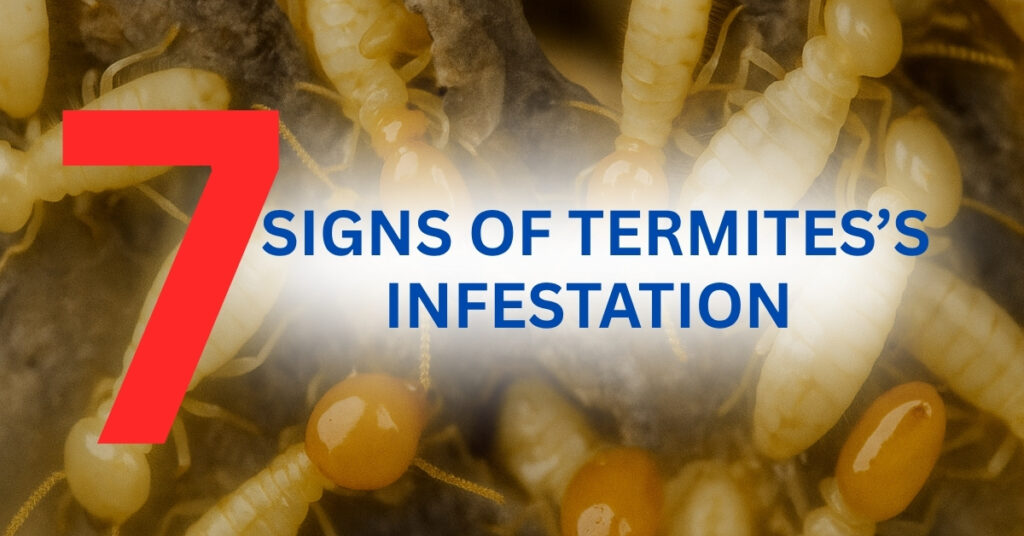
Worried about hidden termite activity in your home? You’re not alone. Recognising the early signs of termite infestation is crucial, as termites are among the most destructive pests in New York City, particularly in older structures and humid environments, such as basements and brownstones. They cause billions in property damage every year, often before homeowners in Brooklyn, Queens, Staten Island, or Manhattan even realise there’s a problem.
1. Discarded Wings Near Windows or Doors

One of the first signs of a termite infestation is finding small piles of discarded wings. These come from swarmers, termites, the reproductive ones that fly out to start new colonies.
Where to check in NYC homes:
- Window sills and door frames (especially near terrace doors)
- On countertops, HVAC vents, or around air conditioner units
- Entryways in Brooklyn brownstones or Upper West Side apartments
Why it matters: Swarmers don’t travel far from their colony, so if you find wings indoors, termites are likely nearby and active.
NYC Tip: Wing piles often appear in spring or after rainfall, especially in basement apartments or pre-war buildings.
2. Mud Tubes on Walls or Foundations
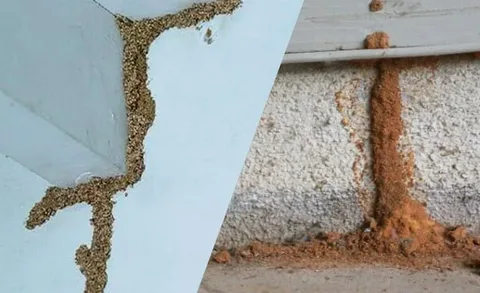
Subterranean termites build mud tubes to travel between their colony (in the soil) and food sources (your home’s wood). These pencil-sized tubes help them stay moist and protected.
Look for them around:
- Basement walls
- Crawlspaces
- Garage corners
- Plumbing or HVAC entry points
- around utility lines and pipes
Pro tip: Break a mud tube if it’s rebuilt within 24–48 hours, and the colony is active.
Ignoring mud tubes is dangerous; they signal active infestation and possibly structural threats.
3. Hollow or Damaged Wood
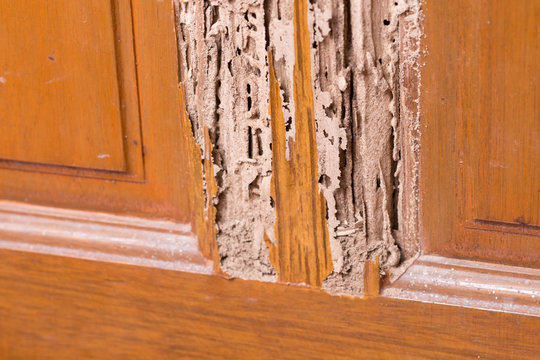
Termites eat wood from the inside out, leaving it weak, hollow, or brittle. Tap or knock on wood beams, floorboards, and doorframes; a hollow sound could indicate an infestation.
Key danger zones in NYC properties:
- Doorframes and baseboards in pre-war apartments
- Hardwood floors in Park Slope townhouses
- Window trims or kitchen cabinets in older buildings
DIY test: Knock on wood structures in your home. If they sound empty or papery, termites may be tunnelling inside
4. Frass (Termite Droppings)
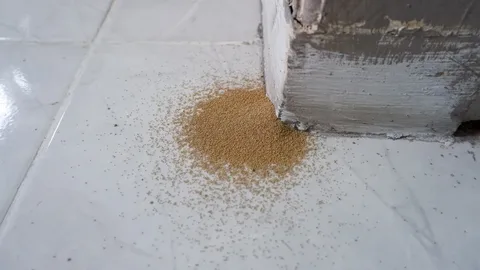
Drywood termites leave behind tiny, pellet-like droppings called frass. It looks like sawdust or coffee grounds and often piles up near:
- Below baseboards or wooden window frames
- In kitchen cabinets or bathroom vanities
- Around attic access panels or old shelving units
Many NYC homeowners mistake frass for dirt, but if you clean it and it comes back, it’s time to call in the pros.
5. Bubbling Paint or Warped Wood
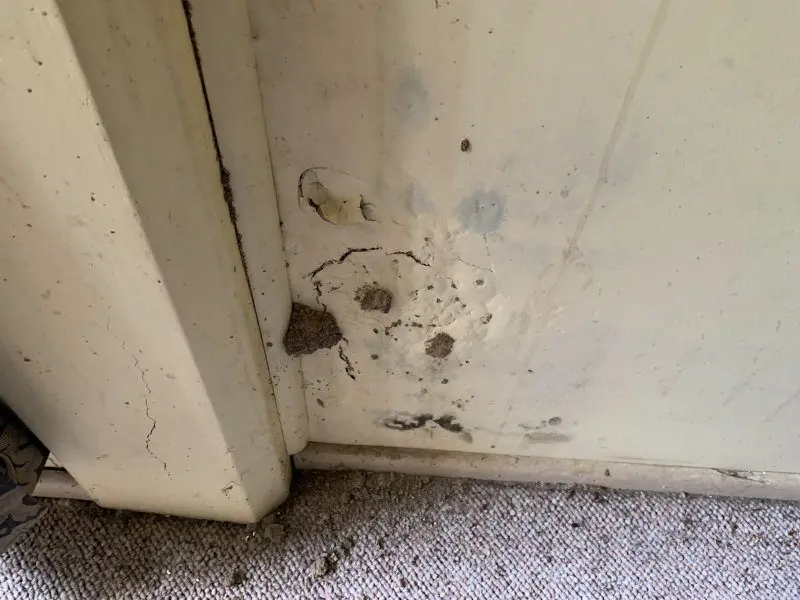
Excess moisture from termites tunnelling beneath the surface can cause paint to bubble or peeling paint, Blistered wooden floors, or Warped wall panels, symptoms often mistaken for water damage or humidity issues.
Watch for this in:
- Bathrooms and kitchens with poor ventilation
- Crown moulding or drywall in Harlem pre-wars
- Around leaky pipes or AC units
These symptoms often mimic water damage, but could be signs of a termite infestation working behind the scenes.
6. Clicking Sounds in the Walls
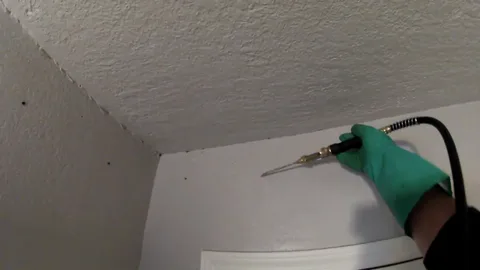
Believe it or not, termites make noise. If you hear faint clicking or tapping from your walls, especially at night, it may be that Worker termites chew wood constantly, and soldier termites bang their heads against tunnel walls to warn the colony of threats.
NYC apartments where it’s most noticeable:
- Older, quiet units in Greenwich Village
- Behind drywall near pipes or radiators
- In wood joists between floors in duplex units
Best time to hear them? At night, in quiet rooms like bedrooms or basements.
7. Spotting Termites
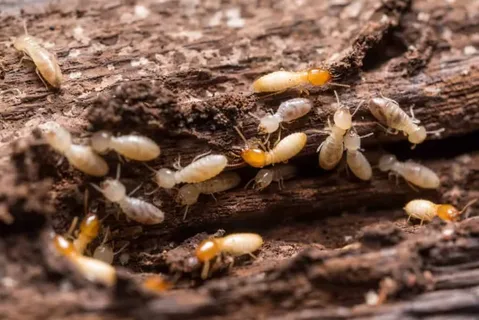
If you see live termites, soft-bodied, pale insects about ¼ inch long, you’re already dealing with an infestation.
You might see:
- Winged swarmers: Flying near lights (swarmer termites love lamps and windows)
- White worker termites: under furniture, inside storage boxes, bookshelves, closets or inside wood
- Dead termites or body parts: Beneath peeling wallpaper, cracked plaster or in basements and near doors
In NYC, swarmers are more common in spring, especially in older or water-damaged homes.
What To Do If You Spot These Signs
If you notice one or more of the above signs, don’t wait. Termites multiply fast, and delays only worsen the damage.
Here’s what to do:
- Take clear photos of any damage or signs
- Avoid breaking mud tubes or disturbing swarmers.
- Call a professional for a termite inspection in NYC.
- Don’t try DIY chemicals, they rarely reach the colony.
- Get a licensed termite treatment plan if confirmed.
How to Prevent Future Termite Infestations
Prevention is cheaper than repair. Here’s how to reduce the risk:
- Fix plumbing leaks and reduce indoor humidity
- Keep firewood and mulch away from your foundation.
- Seal cracks and entry points in your home’s exterior.r
- Schedule annual pest inspections, especially for older buildings.s
Final Thoughts: Don’t Let Termites Take Over Your NYC Home
If you think termites are a warm-climate problem, think again. New York City homes are highly vulnerable, especially brownstones, basements, and ageing buildings.
By spotting these early signs of termite damage, you can act fast and protect your property.
Need expert termite inspection or treatment in NYC? Contact our licensed professionals today for fast, effective, and locally trusted.
FAQ:
Q: Are termites active in NYC year-round?
A: Yes, termites remain active indoors throughout the year in New York, with swarming commonly occurring during the spring when temperatures rise.
Q: Can I hear termites chewing?
A: Yes, especially at night. Soldier termites make clicking sounds to signal danger, while workers may produce soft rustling noises as they chew through wood.
Q: What’s the difference between a termite and an ant’s wings?
A: Termites have two sets of equal-length wings and straight antennae. Ants have uneven wings and bent antennae, a visual clue during termite season in NYC.
Q: Is termite damage covered by home insurance?
A: Generally, no. Most policies exclude termite damage, which is why early inspections and treatments are crucial for homeowners in New York City.