
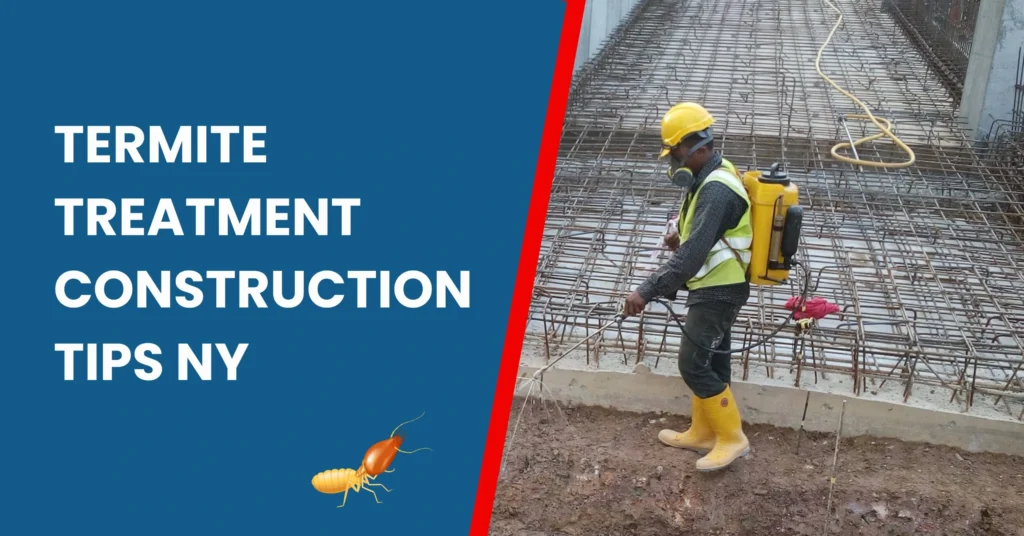
Termites are silent, sneaky invaders, capable of causing significant damage to homes, often long before you even realise they’re there. For homeowners in New York City, the risk is even more significant. With our urban environment, unique climate conditions, and dense building structures, it’s essential to take proactive measures against these pesky pests during construction. Whether you’re building from scratch or renovating an existing property, termite Treatment construction is the smart choice for long-term protection.
Let’s dive into the best practices for building a termite-free home in NYC.
Understanding Termite Behaviour in NYC
Before we get into the construction tips, it’s important to understand why NYC homes are particularly vulnerable to termites. The most common termite in the area is the subterranean termite, which thrives in moist environments and typically lives underground. These termites are particularly sneaky, infiltrating through foundations, cracks, and even the smallest gaps in the structure.
NYC’s unique urban environment can make it an ideal breeding ground for termites. From older buildings with less maintenance to the humid conditions in the summer, termites have the perfect conditions to thrive. With that in mind, it’s essential to focus on prevention from the ground up, literally!
Essential Termite-Resistant Construction Tips
1. Use of Termite-Resistant Materials
Choosing the right materials for your home’s foundation and structure is the first line of defense. For instance, pressure-treated wood is an excellent choice, as it’s infused with preservatives that repel termites. But it’s not just about wood; steel and concrete are termite-proof materials that should be used in your construction wherever possible.
Consider adding stainless steel mesh to certain parts of the home to further discourage termites. These materials create a physical barrier that prevents termites from entering the structure.
2. Moisture Control
Termites thrive in moist environments, so moisture control is crucial in preventing infestations. NYC’s humid climate can create the perfect breeding ground for termites, so during construction, be sure to install proper drainage systems around the foundation. You’ll also want to apply waterproofing measures to keep moisture from seeping into your home’s structure.
Adding ventilation is another effective strategy, making sure there’s sufficient airflow beneath your house helps keep things dry and less appealing to termites.
3. Physical Barriers
Physical barriers can prevent termites from even getting into your home in the first place. During construction, it’s essential to install barriers such as termite shields or stainless steel mesh to prevent termites from gaining access to wooden parts of the home.
Another clever method is to pour a termite-resistant concrete slab during foundation work. This creates an impenetrable base that termites can’t burrow through, providing long-lasting protection.
4. Foundation Design
Your home’s foundation is the first line of defense against termites, so make sure it’s designed to keep them out. Elevate your foundation slightly and make sure it’s sealed tightly to prevent termites from entering through the ground.
Adding a vapour barrier to the soil before pouring the foundation will reduce the moisture level, which is an attraction for termites. Ensure that the foundation is not in direct contact with wood and that gaps are sealed properly to avoid potential entry points.
5. Termite-Resistant Wood Treatments
Wood treatments are a great way to protect your home against termites. Consider using borate wood treatments to make the wood less attractive to termites. This type of treatment is eco-friendly and prevents the wood from absorbing moisture, which can attract pests. It’s especially useful in areas with high humidity or where water damage is a concern.
While it may cost a little more upfront, using termite-resistant treatments in your wood during construction ensures that your home will be safeguarded for years to come.
The Role of Pest Control Services in Termite Prevention
While the construction phase is crucial, ongoing protection is just as important. Professional pest control services play a key role in preventing termite infestations long after construction is complete. Having a termite inspection every couple of years will give you peace of mind, as pest control experts can catch early signs of termites before they cause serious damage.
There are various treatment methods available, such as baiting systems, liquid termiticides, and monitoring stations. A pest control professional will be able to guide you on the best options for your home, depending on its design and location in NYC.
DIY Tips for Homeowners
If you’re already living in a home and want to ensure it stays termite-free, there are a few things you can do on your own:
- Inspect regularly: Check for signs of termites like mud tubes, discarded wings, or hollow-sounding wood.
- Properly store firewood: Keep firewood and other wood debris away from the house as they attract termites.
- Seal cracks and gaps: Make sure to seal any cracks in your foundation and around windows or doors, as these can serve as entry points for termites.
Additionally, keep your home dry. Termites are drawn to moisture, so fixing leaks and ensuring proper drainage around the property will help reduce your chances of a termite infestation.
Cost Implications: Prevention vs. Damage Repair
Many homeowners may wonder if investing in termite-resistant construction is worth the extra cost. The short answer is: absolutely. While termite-resistant materials and pest control services may add some expense upfront, it’s much cheaper than the long-term cost of damage caused by termites.
Termite damage can be extensive and expensive to repair—often involving replacing wood, repairing structural damage, and even dealing with the disruption to your daily life. By investing in prevention now, you’ll save on future repair costs and maintain the integrity of your property for years to come.
Natural and Eco-Friendly Alternatives
For those looking to go green, there are plenty of eco-friendly alternatives to traditional termite control methods. For example, you can use orange oil, which has natural insecticidal properties, to treat wooden structures. Similarly, neem oil and other botanical treatments offer non-toxic options for termite control that are safe for both the environment and your family.
Another great way to ensure your home is termite-free while staying environmentally conscious is to choose sustainable building materials like bamboo or recycled steel. These materials are naturally resistant to termites and contribute to a greener construction process.
Conclusion: Termite-Free Future in NYC
When it comes to termite prevention, being proactive is key, especially in a bustling urban environment like NYC. By using the right construction materials, implementing moisture control, and working with pest control professionals, you can significantly reduce the risk of termites invading your home.
Investing in termite-resistant construction and regular inspections ensures that your home remains safe, durable, and free from costly infestations. In the long run, it’s not just about keeping pests out; it’s about protecting your home and your peace of mind.
Ready to Protect Your Home from Termites?
Building or renovating in NYC? Don’t wait until it’s too late, take proactive steps now to safeguard your home against termite damage. Contact a local pest control expert today for a comprehensive termite inspection, or speak with a construction professional about incorporating termite-resistant materials into your project. Protect your investment and enjoy peace of mind for years to come.
Frequently Asked Questions (FAQs):
1. How can I tell if my home is already infested with termites?
Signs of a termite infestation include mud tubes on walls, hollow-sounding wood, and small, discarded wings near windows or doors. If you notice any of these, it’s important to call a pest control professional for an inspection.
2. What is the most effective way to prevent termites during construction?
Using termite-resistant materials like pressure-treated wood, concrete, and steel is the most effective way to prevent termites during construction. Additionally, implementing moisture control, installing physical barriers, and treating wood with protective chemicals like borate can further reduce the risk.
3. Are natural termite control methods effective?
Yes, natural treatments like orange oil and neem oil can be effective in repelling termites. However, these methods are often best used as part of an integrated pest management approach, combined with other preventive measures for long-lasting results.
4. How often should I schedule termite inspections?
It’s recommended to schedule a professional termite inspection every 1-2 years, especially if you live in an area known for termite activity. Regular inspections help catch early signs of infestation before significant damage occurs.
5. How much does it cost to treat a termite infestation?
The cost of treating a termite infestation can vary depending on the extent of the damage and the treatment method used. On average, termite treatment can range from $500 to $2,500. Preventing an infestation with termite-resistant construction can save you money in the long run.
6. Can termites damage concrete foundations?
Termites generally can’t damage concrete itself, but they can find ways to access wooden parts of the structure through cracks or gaps in the foundation. It’s important to seal these gaps and incorporate physical barriers to protect against subterranean termites.
7. Are there any termite-resistant building materials for eco-friendly homes?
Yes! For eco-friendly homes, materials like bamboo, recycled steel, and certain types of naturally termite-resistant woods can be great choices. These materials not only protect against termites but also contribute to sustainable building practices.