
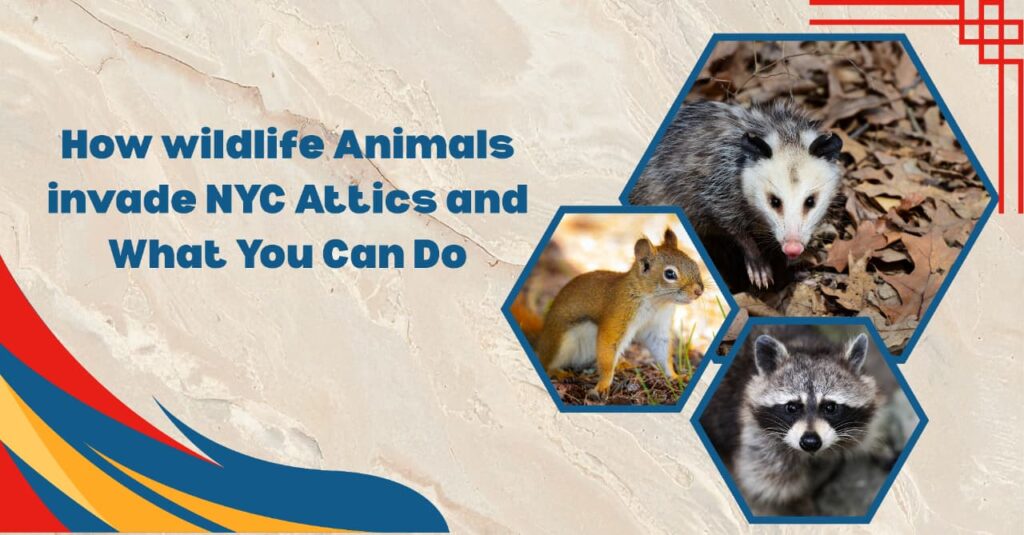
New York City doesn’t sleep, and neither do its wild residents. From Central Park’s treetops to the roofs of Brooklyn brownstones, raccoons, squirrels, and possums have adapted to city life with surprising ease. As the weather cools, many of them search for warmth and shelter, and your attic can feel like the perfect refuge.
What begins as a faint scratching sound can soon turn into torn insulation, chewed wires, and serious health risks. Wildlife intrusion is one of the most common problems homeowners face during fall and winter, and understanding how it happens is the first step toward preventing it.
Recognising the Signs Before Damage Spreads
Most infestations start quietly. Homeowners often hear light scurrying above ceilings, usually at dawn or dusk. Over time, the clues become harder to ignore: droppings along attic beams, a persistent odor of urine, or shredded insulation around vents.
Squirrels tend to move quickly and make repetitive gnawing sounds. Raccoons are heavier, producing slow thumps or dragging noises, often at night. Possums, meanwhile, leave behind large droppings and tend to shuffle. Each species leaves distinct traces that an expert can identify within minutes.
If you notice these signs, avoid exploring the attic yourself. Instead, document what you see, keep pets away, and plan a professional inspection as soon as possible.
How They Get In — The Hidden Doorways
In NYC, wildlife doesn’t need an open front door. Small architectural weaknesses are enough. Loose roof vents, broken soffits, cracked siding, or uncapped chimneys can all become entry points. Even gaps smaller than two inches can invite trouble.
Raccoons are strong enough to lift shingles or pry vents open. Squirrels can chew through wood or plastic fascia boards in hours. Possums often climb fences and branches to reach rooflines.
Old buildings, especially brownstones and multi-family homes, are particularly vulnerable because repairs around eaves and roof edges are often delayed. Trimming overhanging branches, sealing holes with metal flashing, and adding vent guards can reduce risk dramatically.
The Law: What You Can and Can’t Do in New York
Wildlife removal in New York is regulated for safety and ethics. It’s illegal for homeowners to trap and relocate animal. The New York State Department of Environmental Conservation (DEC) requires that only licensed Nuisance Wildlife Control Operators (NWCOs) handle such work.
These professionals use humane exclusion techniques that comply with state law. If you encounter a sick or injured animal, or if a raccoon behaves aggressively during the day, report it immediately through NYC 311. Both the city and DEC maintain protocols for public health and humane management.
Ignoring these laws can lead to fines, and more importantly, unsafe encounters. Professional removal ensures you stay compliant and protected.
Why Quick Action Matters
An attic full of wildlife isn’t just noisy. It’s a biological hazard. Raccoon droppings may contain Baylisascaris procyonis, a dangerous roundworm. Possums and squirrels can carry fleas and mites. All three can chew insulation and wiring, increasing fire risk.
Over time, the smell of urine seeps into wood and drywall, making restoration more complex and expensive. If you wait too long, you might face full insulation replacement or structural repair. Addressing the issue early protects both your home’s value and your family’s health.
First Steps Before Help Arrives
When you suspect wildlife intrusion, keep calm and isolate the problem area. Avoid entering the attic or trying to chase animals out. Close off interior doors to limit access, remove pet food, and make sure trash bins are sealed.
Do not block the entry hole yet, animals may still be inside. If you trap them unknowingly, they can die in walls or insulation, creating odor and sanitation problems. Observing safely from a distance helps professionals determine timing and activity patterns when they arrive.
How Professionals Handle Removal
Licensed wildlife specialists follow a structured, humane process. They begin with a detailed inspection, often using cameras or thermal sensors to locate nests and entry points. Once they identify the species, they install one-way doors that allow animals to exit but not return.
After confirming that all wildlife is gone, technicians seal openings with durable materials such as galvanised mesh, hardware cloth, or aluminium flashing. Damaged insulation or debris is safely removed, and the attic is sanitised using enzyme-based cleaners to neutralize odors and pathogens.
This approach not only removes the current occupants but also makes sure new ones can’t move in again.
Cleaning and Restoring the Attic
Sanitation is a critical part of the process that homeowners often overlook. Even after removal, droppings and urine can harbor bacteria and parasites. Professionals use HEPA-filtered vacuums and protective gear to safely remove waste.
In severe cases, insulation must be replaced to restore air quality. Enzyme treatments and deodorising fogs eliminate lingering smells, while a final inspection ensures the attic is safe for re-entry. When done right, this process restores your home’s hygiene and peace of mind.
Keeping Wildlife Out for Good
Prevention is cheaper than cleanup. Once your attic is clear, take proactive steps to keep it that way:
- Install chimney caps and metal vent covers.
- Seal small cracks and gaps around eaves or siding.
- Replace damaged fascia boards promptly.
- Store garbage in animal-proof containers.
- Trim tree branches that hang over the roof.
- Schedule professional attic inspections once or twice a year.
These steps are simple, but in New York’s dense environment, they make a huge difference. Buildings near parks, rivers, or wooded edges like Staten Island and the Bronx are especially vulnerable and benefit from annual exclusion checks.
Cost and Insurance: What to Expect
The cost of wildlife removal in NYC varies by species and damage level. Standard removal and exclusion generally range from $400 to $1,200, while deep sanitation or insulation replacement can add $500 to $1,000.
Most homeowners’ insurance policies cover structural damage but not cleanup or contamination from droppings. Keep photos and invoices for documentation, especially if your insurer requests proof of professional service.
When to Call for Immediate Help
Certain situations require fast reporting. Call a licensed pest control provider Like Diamond Plus Pest Control right away if:
- You see a raccoon or possum inside your living area.
- You hear loud movement during the day.
- A pet or person has been bitten or scratched.
- You find droppings near vents or heating ducts.
Prompt action reduces risk and ensures the issue is handled legally and safely.
The Right Way to Protect Your Home
New York’s wildlife isn’t going anywhere, but with the right approach, neither are you. Fast action, humane removal, and smart prevention keep your home safe and compliant with city laws.
If you suspect animals have made themselves at home in your attic, reach out to Diamond Plus Pest Control. Their licensed NYC team specialises in humane raccoon, squirrel, and possum removal, following all NYS DEC and NYC 311 guidelines. They’ll inspect, remove, clean, and secure your attic so you can sleep without scratching sounds above your head.
FAQs:
Can I remove the animals myself?
No. New York law prohibits private trapping or relocation. Only certified wildlife operators can do it safely and legally.
Are possums aggressive?
Not usually. They bluff when scared but rarely attack. Still, avoid handling them, they can carry fleas and other parasites.
How long does the process take?
Most professional removals take between one and three days, depending on access and the number of entry points.
How do I know the attic is safe afterwards?
Ask your provider for a sanitation report or clearance certificate confirming that droppings and contaminants were removed.