
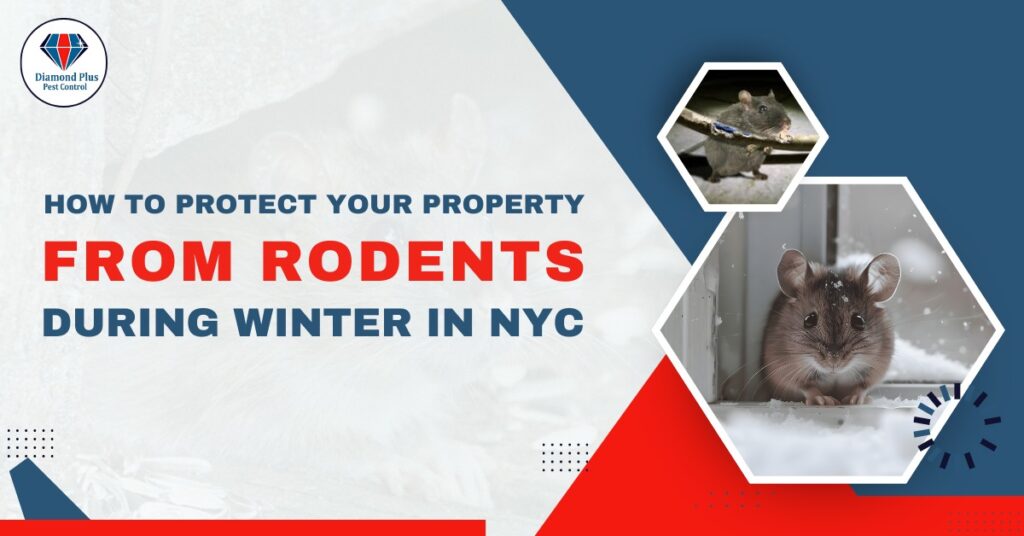
As the temperatures drop in New York City, the fight against rodents in your home intensifies. With food sources outside dwindling and warmth inside your apartment, winter provides the perfect conditions for rats, mice, and other rodents to invade. The last thing any NYC resident wants is a rodent infestation right when they are settling in for the winter months. Here’s how you can keep your property safe and rodent-free during the cold season.
Why Winter Increases Rodent Risk in NYC
Rodents, particularly the brown rat (Norway rat) and house mouse, are extremely resourceful. As winter sets in, food becomes scarcer for them outside. They are naturally drawn to warmer environments where food is easily accessible. Unfortunately, your home provides exactly what they need: warmth, water, and food sources. The problem is compounded in older NYC buildings, where cracks in the foundation, gaps in walls, and outdated piping give rodents easy entry.
How Rodents Invade NYC Properties
Rodents don’t need a lot of space to squeeze through; a small crack the size of a dime is enough for rats and mice to find their way into your home. These pesky intruders can enter through:
- Exterior cracks: Around the foundation, windows, and doors.
- Plumbing lines: Rats often travel through pipes and service shafts that connect multiple units in a building.
- Attics and basements: Mice and rats are often found in warmer, undisturbed areas, making your attic and basement perfect spots for them to nest.
- Food sources: Open garbage, food waste, pet food, or even birdseed provide easy meals for rodents. They’ll also chew through cardboard and plastic to access stored food in pantries.
Signs of Rodents in Winter
Rodents are skilled at staying out of sight, but there are several signs that they’ve taken up residence in your home:
- Droppings: Small, dark pellets are a common sign, especially near food sources or along baseboards.
- Gnaw marks: Mice and rats will chew through wood, plastic, and even wires to make nests. Look for marks on food packaging, furniture, and even electrical wires.
- Odors: A musty or urine smell often signals a rodent infestation, especially in hidden spaces like behind walls or under floorboards.
- Scratching or squeaking sounds: If you hear noises coming from your attic, basement, or walls, you might have rodents moving around.
Step-by-Step Rodent Prevention for NYC Homes
Here’s a comprehensive guide to help prevent rodent invasions during the cold winter months:
1. Seal Entry Points
Inspect your home for any cracks or gaps that rodents could use to enter. Pay special attention to:
- Around windows and doors: Apply weatherstripping and caulk to seal cracks.
- Walls and foundations: Use steel wool or cement to fill any larger holes.
- Plumbing and vents: Rats and mice often enter through gaps around pipes, so make sure these are sealed with caulking or rodent-proof mesh.
2. Store Food Properly
Rodents are highly motivated by food. To keep them at bay, ensure all food is stored in airtight containers. This includes pantry items like cereal, rice, and pasta, as well as pet food. Don’t leave food scraps or dirty dishes out overnight, and make sure to clean up crumbs and spills immediately.
3. Remove Water Sources
Rodents need water to survive. Make sure there are no leaks under sinks or around your water pipes. Fix any leaking faucets, and store any pet water dishes or bowls away when not in use.
4. Control Trash
Rodents thrive around accessible waste. Use metal garbage cans with tight-fitting lids for both indoor and outdoor trash storage. Take the trash out regularly and avoid letting it accumulate in or around your property.
5. Eliminate Nesting Areas
Rodents love to nest in cluttered areas. Clear away piles of newspapers, cardboard, and unused items from basements, attics, and garages. These areas provide the perfect materials for rodents to build their nests.
The Role of Humidity and Leaks in Rodent Attraction
A hidden factor that often attracts rodents is high humidity. Basements and attics that are damp from leaks or poor ventilation attract rodents. The moisture gives them a place to drink and nest. Installing a dehumidifier or addressing plumbing leaks in these areas helps prevent a perfect rodent habitat from forming.
What Not to Do When Dealing with Rodents
It’s tempting to use DIY methods like glue traps, poison, or foggers, but these can be ineffective and even harmful:
- Glue traps: They cause unnecessary suffering and are not a reliable way to control rodents.
- Poison: While it can kill rodents, it also poses risks to pets, children, and local wildlife.
- Foggers and sprays: These don’t target the root cause of the problem and can spread chemicals throughout your home.
Instead, focus on exclusion, cleaning, and long-term prevention.
When to Call a Professional
If you suspect a rodent infestation or if preventive measures fail, it’s time to call a licensed pest control expert. A professional will:
- Identify the source of the problem and offer tailored solutions.
- Use safe and effective methods to eliminate rodents.
- Inspect and seal potential entry points you may have missed.
For properties in multi-unit buildings, it’s important to coordinate with your neighbors and building management to ensure a building-wide solution.
Final Takeaway
Winter provides the perfect opportunity for rodents to invade your property, but by taking proactive steps, you can keep them out. By sealing entry points, storing food properly, and eliminating water sources, you can prevent an infestation before it starts.
If you already have signs of rodents in your home, contact Diamond Plus Pest Control today. Our team of licensed professionals can help you seal your property, eliminate rodents, and ensure your home remains rodent-free all winter long.
Quick Answers to Common Rodent Control Questions
How do I know if I have a rodent problem?
Look for droppings, gnaw marks, and signs of nesting or urine smells around your home. Any of these could indicate an infestation.
What are the best ways to keep rodents out of my NYC apartment?
Seal cracks, store food properly, eliminate water sources, and keep trash tightly contained.
Should I use rodent poison?
Avoid using poison as it can harm pets and cause more problems down the line. Focus on exclusion and cleanliness.