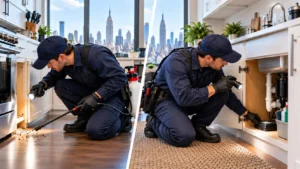
Pests can become a serious problem in New York City apartments. Roaches, mice, rats, and bed bugs can spread between units and make a home difficult to live in. When pests appear, tenants often ask the same question: Who is responsible for pest control in NYC, the landlord or the tenant?
The answer depends on the building, the type of pest, and the conditions causing the problem. NYC housing rules place important duties on property owners, especially in covered multi-unit buildings. Landlords may need to arrange pest treatment and correct conditions that allow pests to return.
This guide explains NYC landlord pest control responsibility, common tenant rights, and practical steps to take when your landlord does not address a pest problem.
Are Landlords Responsible for Pest Control in NYC?
In many NYC rental situations, landlords are responsible for addressing pest infestations and correcting building conditions that contribute to them.
NYC housing rules require owners of covered properties to maintain apartments and common areas without conditions that can attract or support pests. This can include problems involving roaches, mice, rats, and other pests.
The exact requirements depend on factors such as:
- The type of building
- The number of apartments
- The type of pest
- Where the infestation occurs
- Whether structural or maintenance problems contribute to the infestation
For example, a landlord may need to address cracks, leaks, holes, defective plumbing, or other conditions that allow pests to enter or survive.
Tenants should therefore avoid assuming that spraying a few insects solves the entire problem. If the source remains, pest activity can return.
What Does NYC Law Require Landlords to Do?
NYC housing requirements can place several responsibilities on property owners. Depending on the situation, owners may need to:
- Address pest infestations
- Correct conditions that attract pests
- Repair openings that allow pests to enter
- Address leaks and moisture problems
- Maintain proper waste storage and disposal
- Arrange appropriate pest treatment
- Provide access for required inspections and treatment
The goal is not simply to remove visible pests. Effective pest management also involves correcting the conditions that allow an infestation to continue.
For tenants, this means documenting both the pests and the conditions that may be contributing to the problem.
Who Pays for Pest Control in NYC?
In many covered rental situations, the property owner is responsible for required pest treatment. However, responsibility can depend on the circumstances.
When the Landlord May Be Responsible
A landlord may be responsible when:
- The infestation affects a covered rental property
- Pests are entering through structural problems
- Leaks or moisture are contributing to pest activity
- Multiple apartments are affected
- Building conditions are supporting the infestation
- Regular maintenance problems are contributing to pest activity
The exact legal responsibility should be evaluated based on the building and circumstances.
When Tenant Actions May Matter
Tenants also have responsibilities. A tenant can make pest problems worse by failing to maintain reasonable cleanliness, leaving food exposed, creating excessive clutter, or refusing reasonable access for treatment.
That does not automatically transfer every pest-control responsibility to the tenant. However, keeping the apartment clean and allowing required access can help prevent disputes and support effective treatment.
If you are unsure who should pay, document the problem and ask the landlord for a written response before arranging private treatment.
NYC Bed Bug Responsibility
Bed bugs require special attention because they can spread between apartments and are difficult to eliminate without proper treatment.
Property owners in covered NYC housing have specific responsibilities for bed bug infestations. Owners may need to arrange professional treatment and take steps to prevent the infestation from continuing.
Tenants should report suspected bed bugs as soon as possible. Avoid moving mattresses, furniture, or other belongings between rooms because this can spread the infestation.
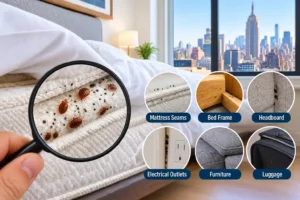
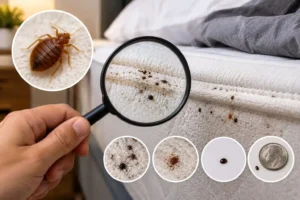
Look for signs such as:
- Small reddish stains on bedding
- Dark spots around mattress seams
- Shed skins
- Live bugs
- Repeated unexplained bites
Because bed bugs can spread between units, reporting the problem early is important.
What Should You Do When You Find Pests?
If you discover pests in your NYC apartment, take action quickly.
Step 1: Report the Problem in Writing
Notify your landlord, property manager, or building management. Email or use your tenant portal when possible so you have a record.
Include:
- The type of pest
- Where you found it
- When you noticed it
- How often you see activity
- Any related building problems
Step 2: Take Photos and Videos
Document visible pests, droppings, damage, nests, entry points, leaks, and other signs.
Keep copies of your communication with the landlord.
Step 3: Request Appropriate Treatment
Ask when the inspection or treatment will take place. For established infestations, professional pest management may be necessary.
Step 4: Provide Reasonable Access
If the landlord schedules an inspection or treatment, follow the appointment instructions and provide reasonable access to the apartment.
Repeatedly refusing access can make it harder to resolve the problem.
Step 5: Contact 311 When Necessary
If a landlord does not address a qualifying housing condition, tenants can contact NYC 311 to report the issue and ask about available housing enforcement options.
Step 6: Consider Housing Court Remedies
When serious housing conditions remain unresolved, tenants may have additional legal options, including an HP Action in Housing Court.
Because housing situations differ, tenants should consider speaking with a qualified housing attorney or tenant-support organization before taking major legal action.
What If Your Neighbor Has Pests?
Pests can move between apartments through cracks, plumbing openings, walls, vents, hallways, and other shared areas.
If you notice pest activity that appears connected to another apartment or a common area, tell your landlord or building manager.
The property owner may need to inspect affected areas and address conditions that allow pests to spread.
Do not assume that treating only your apartment will solve the problem if the source is elsewhere in the building.
Signs Your Apartment Needs Professional Pest Control
Some pest problems can become difficult to control with store-bought products.
Consider requesting professional help when you notice:
- Roaches appearing during daylight
- Frequent mouse or rat sightings
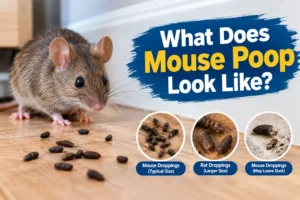
- Droppings in several areas
- Scratching sounds inside walls or ceilings
- Repeated pest activity after DIY treatment
- Bed bug signs around mattresses or furniture
- Entry holes or cracks around pipes and walls
- Pests appearing in more than one room
A professional inspection can help identify where pests are entering and what conditions are supporting the infestation.
Can Tenants Hire Their Own Pest Control Company?
A tenant may choose to contact a private pest control company for additional assistance. However, hiring a private company does not automatically remove a landlord’s responsibilities under applicable NYC housing requirements.
Before paying for treatment yourself, document the problem and communicate with the landlord in writing.
If you decide to hire a company, ask for:
- A written inspection report
- Treatment details
- Product information
- The technician’s license information when applicable
- A written invoice
- Follow-up recommendations
Keep all records related to the infestation.
How Much Does Pest Control Cost in NYC?
Pest control pricing varies based on the pest, infestation size, property type, treatment method, and number of visits.
Simple treatments may cost less than specialized services for bed bugs, rodents, termites, or extensive infestations.
If you are paying for private treatment, request a written estimate before work begins. Ask what the price includes and whether follow-up visits are included.
If you live in a rental property, first determine whether the landlord is responsible for addressing the problem before paying for treatment yourself.
When Should You Contact a Pest Control Professional?
Professional pest control may be useful when:
- The infestation keeps returning
- DIY products have not worked
- Pests are entering through hidden gaps
- Several rooms are affected
- You suspect activity between apartments
- You need help identifying the pest
- You need a documented inspection
Professional treatment should focus on identifying the source, selecting an appropriate treatment method, and reducing conditions that allow pests to return.
How to Choose a Pest Control Company in NYC
If you need private pest control, do not choose a company based only on the lowest price.
Look for a provider that offers:
- Proper licensing where required
- Clear treatment information
- Written estimates
- Experience with NYC properties
- Safe application practices
- Follow-up recommendations
- Clear communication
For tenants and property owners dealing with recurring infestations, the right treatment should address the source of the problem rather than only the pests that are visible.
Why Choose Diamond Plus Pest Control?
Diamond Plus Pest Control helps residential and commercial customers address pest problems throughout the NYC area.
Our approach focuses on identifying the pest, locating activity, selecting an appropriate treatment, and helping customers understand the steps needed to prevent recurring problems.
Whether you are dealing with roaches, rodents, bed bugs, ants, or other common pests, our team can inspect the situation and recommend an appropriate treatment plan.
Conclusion
NYC landlord pest control responsibility depends on the building, pest problem, and conditions involved. In many covered rental properties, landlords have important duties to address infestations and correct conditions that allow pests to continue.
If you find pests, report the problem in writing, document the evidence, provide reasonable access for treatment, and follow up if the issue is not addressed. You can also contact 311 to learn about available housing enforcement options.
If you need additional pest control assistance, Diamond Plus Pest Control can inspect the problem and explain your treatment options.
Legal disclaimer: This article provides general information about NYC pest-control responsibilities and is not legal advice. Housing requirements can vary based on the property and circumstances. For advice about your specific situation, consult a qualified housing attorney or tenant-support organization.
Frequently Asked Questions
Is a landlord responsible for pest control in NYC?
In many covered NYC rental properties, landlords have responsibilities for addressing pest infestations and correcting conditions that support pest activity. Exact requirements depend on the property and circumstances.
Who pays for pest control in a NYC apartment?
Responsibility depends on the building, pest problem, and circumstances. In many covered rental situations, the landlord is responsible for required pest treatment.
What should I do if my NYC landlord ignores a pest problem?
Report the problem in writing, keep photos and records, request treatment, and provide reasonable access. If the issue remains unresolved, contact 311 to learn about available options.
Can I call 311 for a pest complaint?
Yes. NYC tenants can contact 311 to report certain housing conditions and learn about available inspection and enforcement options.
What if bed bugs spread from another apartment?
Report the infestation to your landlord or building management immediately. Bed bugs can move between units, so the building may need appropriate inspection and treatment.
Can a tenant hire a private exterminator?
A tenant may choose to seek private pest control assistance, but doing so does not automatically eliminate any applicable landlord responsibilities. Document the problem and communicate with the landlord first.
Can I break my lease because of pests?
Serious pest conditions may create legal remedies, but ending a lease depends on the facts and applicable housing law. Do not assume you can terminate a lease without obtaining appropriate legal advice.
What evidence should I keep for a pest complaint?
Keep photos, videos, written notices, emails, inspection reports, treatment records, invoices, and notes showing when and where pest activity occurred.