New York City is a hub of vibrant culture, diverse neighbourhoods, and bustling streets. However, with its dense population and ageing infrastructure, it also faces a unique set of pest challenges. From rodents and cockroaches to bed bugs and termites, pests are a common problem for NYC residents.
If you want to keep your home safe and pest-free, it’s important to follow a structured, proactive approach to pest management. This Pest Control Checklist for NYC offers an actionable guide to help you prevent infestations, monitor for pests, and address issues as they arise. Whether you’re in a high-rise apartment or a brownstone, by following this checklist, you can keep your home protected year-round.
Pest Control Checklist for NYC Residents
To effectively manage pest control, make sure to follow the Pest control checklist for nyc. Keeping your home protected involves both proactive steps and regular maintenance:
1. Seal Entry Points
- Inspect Windows, Doors, and Walls for Gaps: Pests enter through even the smallest cracks. Thoroughly check windows, doors, and walls for any visible gaps and seal them with caulking, weatherstripping, or foam sealants. Focus on areas like doorframes, window edges, and any other spots where pests could enter.
- Check Utility Lines and Vents: Utility lines (such as for plumbing, HVAC, or electrical) can be another way pests enter your home. Look for gaps around these lines and seal them properly. Also, inspect dryer vents and ensure they have tight-fitting covers.
- Repair Damaged Window Screens: Screens are an essential barrier against insects like mosquitoes, flies, and other bugs. Ensure that all your window screens are intact, free from tears, and properly secured. If necessary, replace damaged screens.
2. Maintain Cleanliness
- Store Food in Sealed Containers: Pests like rodents, ants, and cockroaches are attracted to food. To prevent them from entering your kitchen, make sure to store all food in sealed containers. This includes pantry items such as cereals, grains, and even pet food.
- Clean Up Crumbs, Spills, and Food Debris Daily: Regularly clean kitchen counters, floors, and dining areas to remove any crumbs or food particles that could attract pests. Make it a habit to wipe down surfaces after every meal to ensure that no food is left exposed.
- Take Out the Trash Regularly: Trash is a major attractant for pests. Make sure to take out the garbage frequently, particularly if you have food waste in it. Use trash bins with tight-fitting lids to keep pests from accessing the contents.
- Vacuum and Sweep Frequently: Sweep or vacuum your floors regularly, especially in high-traffic areas like the kitchen, hallways, and entryways. This removes small food particles and crumbs that pests might be drawn to. Pay special attention to corners and under furniture, where crumbs often accumulate.
3. Check for Moisture
- Inspect Moisture-Prone Areas: Pests like cockroaches, ants, and termites thrive in moist environments. Regularly check your kitchen, bathroom, basement, and attic for any signs of leaks or standing water. Fix leaks immediately to prevent pest activity.
- Repair Leaky Pipes and Faucets: Leaky pipes and faucets create the perfect environment for pests like cockroaches and ants. Even small leaks should be addressed promptly. Check under sinks, in bathrooms, and around appliances like dishwashers and refrigerators.
- Install a Dehumidifier: If you live in a basement or a damp area, consider installing a dehumidifier to reduce moisture levels. Pests like silverfish, termites, and mould mites are attracted to high humidity, so maintaining a dry environment will deter them.
4. Monitor for Pests
- Place Pest Monitoring Traps: Set up pest traps in high-risk areas, such as under sinks, behind appliances, and along walls. Rodent and cockroach traps are especially helpful in identifying early signs of infestations. Check traps regularly and replace them if necessary.
- Look for Signs of Pest Activity: Signs of rodent or insect activity include droppings, gnaw marks, nests, or unusual smells. If you notice any of these, it’s a clear indication that pests are active in your home.
- Inspect Wooden Furniture or Beams for Damage: Termites and carpenter ants love to infest wood. Inspect wooden furniture, beams, and baseboards regularly for holes, soft spots, or visible damage. If you find any signs of infestation, it’s essential to act fast before the damage worsens.
5. Pest-Proof Your Apartment
- Seal Cracks and Gaps Around Baseboards and Walls: Caulk or fill any cracks and gaps along baseboards, walls, and floors, particularly where plumbing lines or electrical cables enter the space. Even small gaps can serve as entry points for pests.
- Keep Firewood and Plants Away from the Home: If you keep firewood outside, store it at least 20 feet from your home. Firewood and plants can harbor pests like termites and ants. Keep plants away from entry points and make sure any exterior vegetation is trimmed back.
- Install Door Sweeps on Exterior Doors: Door sweeps help seal the gap at the bottom of exterior doors, preventing pests like ants, cockroaches, and rodents from entering your home. This is particularly important for ground-level apartments and homes.
Seasonal Tasks for NYC Pest Control
Pest control requires attention throughout the year. By addressing the specific needs of each season, you can better manage potential infestations.
Spring:
- Trim Vegetation: Trim back bushes and trees around your home, as plants can provide entry points for pests. Make sure shrubs and vines are not in direct contact with the exterior of your house or apartment.
- Inspect for Early Signs of Termites: Spring is the peak season for termite activity. Inspect your property for signs of termite damage or activity, such as mud tubes, swarming insects, or hollow-sounding wood.
- Clean Gutters: Clogged gutters can collect water and attract pests like mosquitoes, ants, and termites. Clean gutters regularly to prevent standing water and ensure proper drainage.
Summer:
- Increase Trash Removal: The summer heat can exacerbate pest problems, particularly with flies and cockroaches. Ensure that trash is removed more frequently and that bins are tightly sealed.
- Check Window Screens: Summer is when mosquitoes and flies are most active. Inspect window screens to ensure they are secure and free from tears, especially during warm weather.
- Inspect Attics and Basements: High humidity in summer can create ideal conditions for pests like silverfish, ants, and termites. Check attics and basements regularly for signs of pest activity.
Fall
- Seal Gaps Around Windows and Doors: Fall is when pests like rodents begin seeking warmth indoors. Seal any gaps around windows and doors to keep them out. Consider using weatherstripping or caulk to ensure your home is sealed tight.
- Store Firewood Away from the House: Keep firewood and outdoor furniture away from your home to avoid attracting pests like termites, ants, and rodents. Stack firewood away from walls and store it on a raised platform.
- Inspect Heating Systems: Rodents and other pests sometimes seek refuge in heating systems as the weather cools. Ensure that ducts and vents are clean and pest-free.
Winter
- Check Insulation: As temperatures drop, pests like rodents look for warmth in attics and basements. Check the insulation in these areas and make sure it’s in good condition.
- Store Food Properly: Pests are still active indoors during winter, so store food in sealed containers and avoid leaving food out overnight.
- Monitor for Pests: Keep a close eye on common indoor pests like cockroaches, rodents, and ants during winter months. They’re more likely to invade homes in search of warmth and food.
When to Call Professional Pest Control Services
In some cases, the infestation might be more than you can handle on your own. It’s important to know when to call a professional:
1. Signs of an Active Infestation
- Visible Pests: If you see a rodent or cockroach during the day, it’s a clear sign that you may have an infestation. The sooner you act, the easier it is to control.
- Droppings and Nests: Look for droppings or nests in hidden places, such as cupboards, behind appliances, or in attics. It’s time to call a professional to eliminate the pests before they multiply.
2. Health Risks
- Bites and Allergies: If you’re experiencing allergic reactions or bites from pests like bed bugs or cockroaches, don’t hesitate to call in the experts. Professional pest control services can safely handle these issues.
- Rodent-Borne Diseases: Rodents can carry diseases that are hazardous to humans. If you suspect a rodent infestation, it’s important to act quickly to reduce health risks.
3. DIY Efforts Have Failed
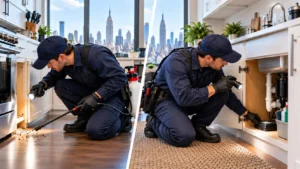
- If your DIY pest control efforts haven’t resolved the problem, it’s time to call in a professional. They can assess the situation, provide targeted treatments, and prevent further damage.
Call a Professional Pest Control Service Today
Don’t wait for the problem to get worse. Get in touch with a trusted NYC pest control service to ensure your home stays pest-free. Act now to protect your home, health, and peace of mind.
Final Thought:
With NYC’s unique challenges, it’s crucial to stay on top of pest prevention. By following this Pest Control Checklist for NYC, you can effectively protect your home from pests all year round. Keep your home clean, monitor for early signs of pests, and be proactive about sealing entry points. Whether you tackle the problem yourself or rely on professionals, acting early is the key to a pest-free living space.
FAQs: Pest Control Checklist for NYC
1. How do I know if I have a pest infestation in my NYC apartment?
Signs of a pest infestation in your NYC apartment include:
- Visible pests: Seeing rodents, cockroaches, or insects during the day.
- Droppings or damage: Droppings around your home, gnaw marks on furniture or wires, or holes in walls and floors.
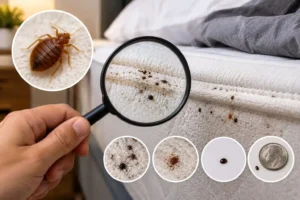
- Bites or skin irritation: Bed bugs leave bite marks in clusters, typically on arms and neck.
If you notice any of these signs, it’s essential to take action immediately to prevent a more serious infestation.
2. What’s the most effective way to prevent rodents in NYC apartments?
To prevent rodents, start by sealing any cracks or gaps in walls, doors, and windows. Use steel wool or caulking to close off entry points.
- Store food in airtight containers and clean up crumbs and spills immediately.
- Dispose of trash regularly and keep bins tightly sealed.
- Set traps in areas where rodents may enter, such as under the sink or near windows and doors.
3. How often should I check for bed bugs in my NYC apartment?
Bed bugs are notoriously difficult to detect, but regular inspections can help:
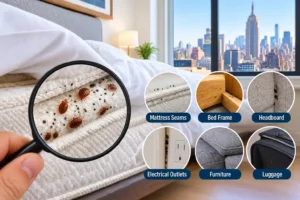
- Inspect your mattress and furniture, especially seams, for dark spots or bed bug exoskeletons.
- Look for bites: Bed bug bites usually appear in a line or cluster on exposed skin.
- Check luggage and secondhand furniture when bringing them into your home.
If you notice any signs, consider professional treatment as bed bugs can spread quickly.
4. Can I handle a cockroach infestation myself, or do I need a professional?
You can manage a minor cockroach issue with DIY methods, such as:
- Regular cleaning: Remove food and grease build-up from surfaces and floors.
- Set traps in areas where cockroaches are active.
- Use cockroach bait or natural deterrents like bay leaves.
However, for a larger infestation, calling a professional pest control service is recommended to eliminate the issue effectively and prevent it from recurring.
5. What eco-friendly pest control options are available in NYC?
If you prefer eco-friendly pest control, you can try these methods:
- Diatomaceous earth: A natural powder that kills insects without chemicals.
- Essential oils: Oils like peppermint, lavender, or eucalyptus can repel rodents and insects.
- Non-toxic traps: Use traps for rodents and insects instead of chemical solutions.
These options are safe for families and pets, offering a green alternative to traditional chemical-based pest control methods.