Termites can cause serious damage to NYC properties. The worst part is that they often stay hidden. You may not see a problem until wood has already been damaged.
Construction and renovation are good times to prevent termites. Many parts of the building are still open and easy to inspect. This makes it easier to find moisture, cracks, damaged wood, and other problem areas.
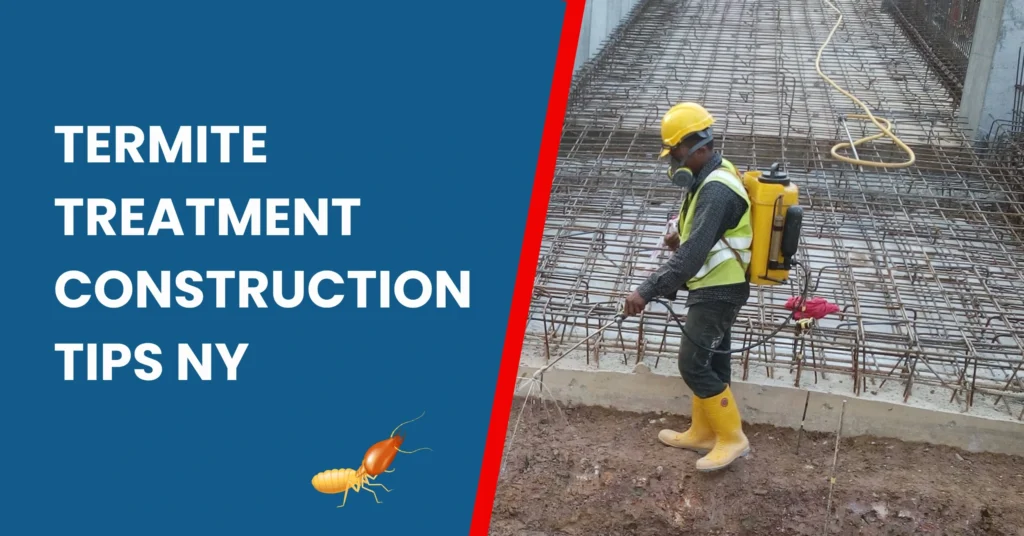
Following the right Termite Treatment Construction Tips for NYC can help protect your property. Good termite prevention does not depend on one product. It includes inspections, moisture control, proper building work, and professional treatment when needed.
These steps are useful for homeowners, landlords, property managers, and business owners. They can also help during home additions, basement work, repairs, and major renovations.
Why Termite Prevention Matters During NYC Construction
Termites can enter a property without being noticed. Subterranean termites live in the soil. They can travel from the ground to wood inside a building.
Small foundation cracks may give them access. Gaps around pipes can also create entry points. Wood that touches the soil can increase the risk.
Once walls and floors are finished, these areas become harder to inspect. That is why termite prevention should start early.
A professional inspection can find warning signs before construction hides them. It can also help you decide whether treatment is needed.
If you already have an active problem, professional Termite Control NYC can help identify the source and create a treatment plan.
1. Get a Termite Inspection Before Construction or Renovation
Start with an inspection when there is a reason to suspect termites.
This is especially useful in older NYC properties. Renovation may expose wood that has been hidden for many years.
A termite professional can check basements, framing, floors, foundations, and other risk areas. The inspection may uncover mud tubes, damaged wood, discarded wings, or live termites.
It is also important to understand the difference between Termite Inspection vs Termite Extermination. An inspection looks for termites and conditions that attract them. Extermination focuses on treating an active infestation.
Finding a problem before construction continues can save time. It may also prevent new materials from covering an active termite problem.
2. Keep Wood Away From Soil
Wood-to-soil contact can make it easier for subterranean termites to reach a building.
Do not leave lumber against the foundation. Remove old wood, cardboard, tree stumps, and construction waste from the property when possible.
Contractors should also avoid leaving wood forms or scraps around the foundation after work is finished.
These simple steps help reduce termite-friendly conditions. They also make future inspections easier.
Good Termite Treatment Construction Tips for NYC should always include proper wood storage and site cleanup.
3. Control Moisture Around the Property
Termites need moisture to survive. Damp areas around a building can make conditions more attractive to them.
Check the property for plumbing leaks. Repair leaking pipes and fixtures as soon as possible. Also check gutters and drainage around the building.
Water should not sit around the foundation for long periods.
Basements need extra attention. A small leak behind a wall can stay hidden for months. It may damage wood and create conditions that support pest activity.
Good moisture control also supports your overall pest control NYC plan.
4. Seal Cracks and Gaps Around the Foundation
Termites do not need to eat through concrete to enter your property.
They can move through small cracks and gaps. Openings around pipes and utility lines may also give them a hidden route into the building.
Check these areas during construction.
Seal suitable cracks and openings with the correct building materials. Pay special attention to places where utilities enter the property.
This step can reduce hidden entry points. It also makes the building easier to inspect in the future.
5. Consider a Professional Termite Barrier
Some properties may benefit from a termite barrier.
Professional termite barrier installation experts can inspect the building before recommending a system. The right option will depend on the property and construction type.
Some projects may use physical barriers. Others may use approved termite treatments or monitoring systems.
The best time to consider these options is often during construction. Access may become limited after floors, walls, or landscaping are finished.
A professional can tell you which approach is suitable for your property.
6. Protect Wood During Construction
Wood needs proper care before and during construction.
Keep lumber dry whenever possible. Do not store it directly on wet soil. Remove badly damaged or unnecessary wood from the site.
Some construction projects may also use treated wood in areas at risk.
You may see premise termite treatment mentioned when researching termite products. However, treatment products must be used according to their labels and directions. Professional application may be required for some termite-control work.
Treated wood can help, but it should not be your only defense. Inspection, moisture control, and good construction practices are still important.
7. Watch for Termites in the Yard
Termite prevention should not stop at your walls.
Termites may also be found in old wood, tree stumps, landscape timbers, or other materials around the property.
People often search for how to get rid of termites in yard areas after finding insects outside. However, it is important to identify the insects first.
Outdoor termites do not always mean your building is infested. But termite activity close to the foundation should not be ignored.
Common signs of termites in yard areas may include mud tubes, swarmers, or termites inside decaying wood.
If these signs appear near your home or commercial property, schedule an inspection.
8. Check Trees and Old Stumps
Dead trees and old stumps can provide termites with a source of wood.
Possible signs of termites in trees may include insects beneath loose bark or inside dead wood. You may also notice mud-like material around affected areas.
Do not assume that removing the tree will solve the whole problem.
The building should also be checked if termite activity is close to it. A professional can inspect the foundation and nearby wood for additional signs.
This is important because termites can remain hidden below ground.
Common Signs of a Termite Problem During Construction
Construction work can expose termite activity that was hidden before.
Watch for mud tubes along foundations or walls. Look for damaged or hollow wood. You may also see discarded wings or termite swarmers.
Some wood may look normal from the outside but be damaged inside.
If you want to know what to check, read our guide to 7 Signs of Termite Infestation.
Do not cover suspicious wood with a new wall or floor. Have it inspected first.
Early action can help reduce the chance of a larger problem later.
What Should You Do If Termites Are Found During Renovation?
Do not panic, but do not ignore them.
First, avoid closing the affected area. Keep it accessible until it can be inspected.
Replacing one damaged piece of wood may not solve the infestation. Termites could be active in another part of the structure.
A professional can inspect the area and find possible entry points. The right treatment will depend on where termites are active.
You can also learn about common NYC Termite Extermination Methods before choosing a treatment plan.
After treatment, damaged materials can be repaired or replaced as needed.
What About Termites in Grass and Lawns?
Some homeowners search for grass termites treatment after seeing insects in a lawn.
However, insects in grass are not always termites. Even when termites are present outside, treating the grass alone may not protect your building.
Termites are often connected to soil and wood sources.
Check nearby stumps, old lumber, landscape timbers, and areas around the foundation. Correct insect identification is important before any treatment starts.
If you see suspected termites close to your building, ask a professional to inspect the area.
Are Termites Dangerous?
Many NYC homeowners ask, are termites dangerous?
Termites are mainly a threat to property. They are not known for commonly attacking people like some other pests.
The main risk is hidden property damage.
Over time, termites can damage wood and other materials that contain cellulose. Serious infestations may lead to costly repairs.
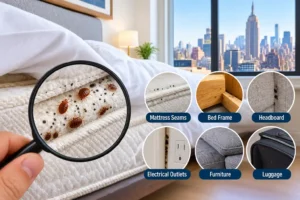
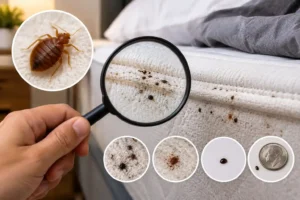
Some people also search for termites in bed after finding small insects in a bedroom. Do not assume they are termites. Bed bugs, ants, and other insects can look similar to an untrained eye.
Have the insect identified before choosing a treatment.
Residential and Commercial Termite Problems in NYC
Termites are not only a concern for houses.
They may also affect apartment buildings, offices, restaurants, stores, warehouses, and other commercial properties.
A commercial termite inspection can check basements, foundations, storage areas, utility spaces, and other locations where termite activity may stay hidden.
Early inspection can be important for businesses. Repairs and treatments may need to be planned around employees, tenants, customers, or normal business hours.
Property managers should also consider an inspection before a major renovation.
How Much Does Termite Treatment Cost in NYC?
There is no single price for every termite job.
The termite extermination cost depends on several factors. These may include the size of the property, treatment method, infestation level, and areas that need treatment.
Accessibility can also affect the price.
People searching for cost termite treatment information should be careful with broad national estimates. A small treatment and a large NYC property infestation can have very different costs.
For more information, read our guide on How Much Does Termite Treatment Cost in NYC.
You can also review our Termite Treatment Cost NYC guide for the main pricing factors.
Our Termite Control Cost in NYC resource provides more information for property owners comparing professional termite services.
An inspection is the best way to understand what your specific property may need.
How Long Does Termite Treatment Last?
Homeowners often ask how long will termite treatment last after paying for professional service.
There is no single answer.
Treatment life can depend on the product, method, building conditions, moisture, and other factors. Construction work may also disturb previously treated areas.
Regular inspections are still important after treatment.
For a detailed explanation, see How Long Does Termite Treatment Last in NYC?
Do not assume that an old treatment means your property will remain protected forever.
Can DIY Termite Treatment Solve the Problem?
DIY termite products are easy to find. However, termites are often hidden inside walls, wood, soil, and other hard-to-reach areas.
Killing the termites you can see may not remove the main problem.
You may still have activity elsewhere in the property.
Read our guide Do DIY Termite Treatments Work before trying to handle a serious infestation yourself.
Professional help is especially important when termites are found in structural wood. It is also a good idea when several areas show activity.
Simple Ways to Reduce Termite Risk
Good termite prevention does not need to be complicated.
Focus on these important steps:
- Keep wood away from soil when possible.
- Repair leaks and moisture problems quickly.
- Remove old wood and construction waste.
- Check cracks and openings around the foundation.
- Schedule an inspection when you notice termite signs.
These steps are simple, but they can make a big difference.
You can also read How NYC Homeowners Can Prevent Rodent and Termite Damage Effectively for more ways to protect your property from common structural pests.
Why Professional Termite Control Matters During Construction
Termites are difficult to control when you cannot find where they are coming from.
Construction gives professionals better access to some hidden areas. This can make inspection easier before walls and floors are closed.
Professional Termite Treatment Construction Tips for NYC should also match the building.
A brownstone may have different risks than a detached home. A restaurant may need a different plan than an apartment building.
A termite professional can inspect the property first. They can then recommend treatment based on what they find.
This helps avoid unnecessary treatment. It also helps focus the work on real termite risks.
Frequently Asked Questions About Termite Treatment Construction in NYC
Can termites get through a concrete foundation?
Termites do not normally eat concrete. However, they can use small cracks and gaps to reach wood. Openings around pipes may also provide access.
Should I get a termite inspection before renovating?
Yes, especially if you have seen termite signs or damaged wood. An inspection can also be useful in older properties and damp basements.
What should I do if a contractor finds termite damage?
Keep the area open and arrange an inspection. Do not simply cover damaged wood with new materials. The source of the problem should be checked first.
Can termite-resistant construction stop all termites?
No method can promise complete protection forever. Good construction, moisture control, inspections, and professional treatment can greatly reduce the risk.
When should I plan termite protection during construction?
Plan it as early as possible. Some preventive measures are easier before walls, floors, slabs, or landscaping are finished.
Do NYC commercial properties need termite inspections?
They may need one when termite activity or risk conditions are present. This is especially important in properties with moisture problems, vulnerable wood, old foundations, or previous termite activity.
Protect Your NYC Property From Termite Damage
Termites are easier to manage when you find the problem early. Construction and renovation give you a good chance to inspect areas that may soon become hidden.
Using the right Termite Treatment Construction Tips for NYC can help protect your home or business. Keep the property dry. Remove unnecessary wood. Seal suitable entry points. Most importantly, do not cover possible termite activity before it is checked.
Diamond Plus Pest Control provides termite inspections and professional termite solutions for NYC properties. We help homeowners, landlords, property managers, and businesses identify termite problems and choose the right next step.
Building or renovating in NYC? Call Diamond Plus Pest Control at (718) 427-6200 today to schedule a termite inspection and protect your property before termite damage gets worse.