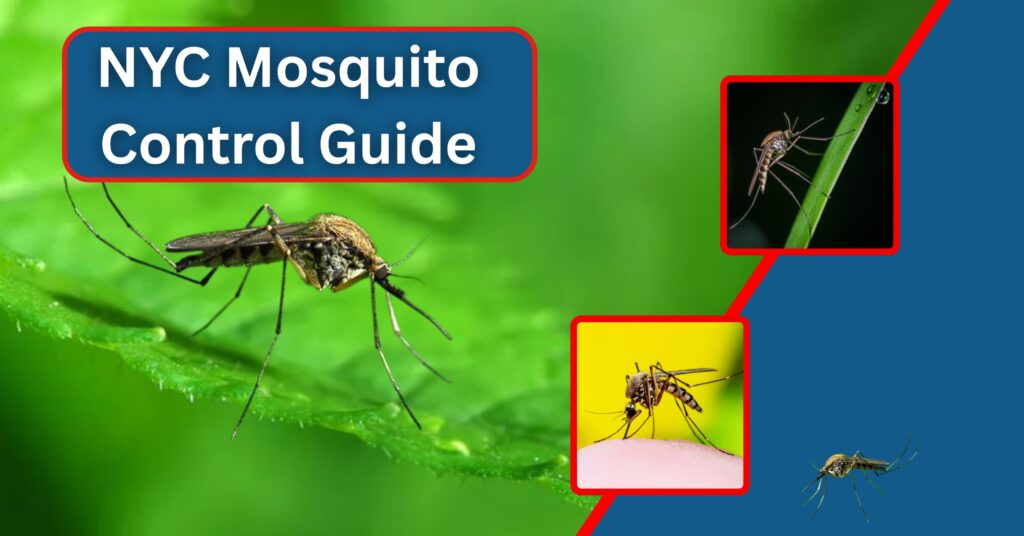
Mosquito Control in NYC is important for homes and businesses. It also matters for apartment buildings across the city. Warm weather can help mosquitoes grow fast. Rain and standing water can add to the problem. Even a small amount of water can become a breeding spot. A good control plan can reduce bites. It can also make outdoor areas easier to enjoy.
New York has many places where mosquitoes can hide and breed. Gutters, pots, buckets, and drains can support activity. Rooftops, plants, and shaded areas can also be a problem. The key is to find these spots early.
Get Emergency Mosquito Control Service in NYC
Our mosquito control service helps reduce mosquito populations around your home or business, creating a safer and more comfortable outdoor environment.
What Is Mosquito Control in NYC?
Mosquito control is the process of reducing mosquito breeding and activity around a property. It often starts with removing standing water. It may also include yard care and screen repairs. Better drainage, repellents, and targeted treatment can also help.
A good plan does more than kill adult mosquitoes. It also looks for eggs and larvae. This helps stop the next group of mosquitoes from becoming active.
The right plan depends on the property. A Manhattan rooftop may need a different approach than a Queens backyard or a larger Long Island property.
Why Mosquitoes Are a Serious Issue in NYC
Mosquitoes are more than a summer nuisance. They can affect health and comfort. They can also limit the use of outdoor spaces.
Warm Weather Helps Mosquitoes Grow
Mosquitoes become more active during warm and humid weather. Summer rain can leave water in many small places. Gutters and drains are common examples. Toys, planters, and tarps can also hold water.
If water sits for several days, it may become a breeding area. Regular checks can help stop this problem before it grows.
Mosquito Bites Can Be a Health Concern
Some mosquitoes can carry illnesses. West Nile virus is one example. Most bites do not lead to serious illness. Still, it is wise to reduce bites and mosquito activity around homes and businesses.
Mosquitoes Reduce Outdoor Comfort
A yard or patio should be a place to relax. Mosquitoes can make that difficult. They may affect rooftop gatherings and outdoor dining. Shared building spaces can also become hard to use.
Common Mosquito Breeding Sites in NYC
Common Mosquito Breeding Sites in NYC are often small. They are easy to miss. You do not need a pond or large pool to have a breeding problem.
Clogged Gutters
Leaves and dirt can block gutters. Water may then sit for days. Clean gutters often and make sure rainwater can flow away from the building.
Flower Pots and Plant Trays
Plant trays can collect water after rain or watering. This is common on balconies, patios, and rooftops. Empty extra water often.
Buckets and Outdoor Containers
Buckets, pet bowls, and toys can catch rain. Bins and open containers can do the same. Turn empty items over or keep them under cover when possible.
Roofs and Drains
Flat roofs and roof drains can hold water. Shared areas may also drain poorly. Property managers should check these spots during mosquito season.
Construction Areas
Tarps, tools, open containers, and building materials can trap rainwater. These areas should be checked after storms and heavy rain.
Dense Plants and Shaded Areas
Thick plants do not create mosquitoes by themselves. However, they can give adult mosquitoes a cool place to rest. Trim heavy growth and remove piles of leaves.
How to Prevent Mosquitoes Around Your Home
Good mosquito prevention starts with simple steps done often.
Remove Standing Water
Check your property after it rains. Empty water from pots and toys. Check covers, buckets, and outdoor furniture too.
Change birdbath water often. Keep pools clean. Make sure drains work well. Do not leave water in unused containers.
Keep Your Yard Clean
Trim tall grass, bushes, and weeds. Cut back thick plants. Remove yard waste and wet leaves. Cleaner outdoor areas give mosquitoes fewer places to rest.
Repair Window and Door Screens
Check screens for holes and gaps. Repair them as soon as possible. Make sure doors close well and do not stay open for long periods.
Use Mosquito Repellent
Use an approved mosquito repellent when activity is high. Wear long sleeves when needed. Long pants can also help. These steps are useful during times when mosquitoes are active outdoors.
Mosquito Control in NYC by Location
Mosquito Control in NYC should match the type of property and local conditions. Each borough has different building styles. Outdoor spaces also vary.
In Manhattan, common problem areas include rooftops and terraces. Planters, courtyards, and roof drains also need checks. Small areas can still hold enough water to support mosquito breeding.
Brooklyn has many homes with backyards and gardens. Outdoor seating areas also need attention. Gutters, pots, plants, and shaded corners should be checked often.
The Bronx has a mix of homes, gardens, parks, and planted areas. Thick plants and water holding items can support mosquito activity.
Queens has many homes with yards and patios. Driveways can also collect water nearby. After rain, water may collect in toys, pots, drains, and outdoor containers.
Staten Island often has larger yards and more plant growth. Good drainage and yard care can make a big difference.
Long Island properties may have pools and large lawns. Gardens and other outdoor areas may also need checks. These areas may need regular checks and a wider mosquito prevention plan.
Professional Mosquito Treatment Options
Home prevention can solve many small problems. Some mosquito issues need a more complete approach.
Property Inspection
A professional service should start with an inspection. The technician checks for standing water and poor drainage. Thick plants and shaded areas are checked too.
This step helps find the source and keeps treatment focused.
Larval Control
Larval control targets mosquitoes before they become biting adults. It may be used in water that cannot be removed or drained.
Stopping larvae early can reduce the number of adult mosquitoes around the property.
Adult Mosquito Treatment
Adult mosquitoes often rest in shaded and protected areas. Targeted treatment may be used in these spots when needed.
The plan should match the property and level of mosquito activity.
Integrated Pest Management
Integrated Pest Management uses several control steps together. These can include water removal and yard care. Monitoring and targeted treatment may also be used.
This approach focuses on the cause of the problem. It does not depend on one spray alone.
If you are also dealing with ants, roaches, rodents, or other pests, a broader Pest Control NYC service can help address several pest concerns around the property.
Mosquito Control for Businesses in NYC
Mosquito Control for Businesses in NYC is important for many properties. This includes restaurants, hotels, event spaces, and apartment buildings. Offices, schools, and retail sites may also need service.
Mosquitoes can affect patios, entrances, gardens, rooftops, and customer comfort.
Restaurants and cafes should check outdoor seating and planters. Drains and trash areas also need attention. Hotels and property managers should inspect courtyards and rooftops. Gardens and common spaces should be checked too.
A routine mosquito plan may include inspections, breeding site checks, treatment, and follow up service. This can help reduce problems before customer complaints begin.
DIY Mosquito Control vs Professional Service
DIY products can help with light mosquito activity. Repellents and fans may give short term relief. Store bought sprays may also help for a while.
The main limit is that many DIY methods only affect adult mosquitoes. They may not solve the breeding source.
If mosquitoes return after you remove standing water, the problem may be hidden. A professional mosquito exterminator in NYC can inspect the property and find areas that are easy to miss.
When Is Mosquito Season in New York?
Mosquito activity often starts to rise in late spring. It usually becomes stronger during hot and humid summer weather.
Activity may continue into early fall when warm weather remains.
Spring is a good time to clean gutters, improve drainage, clear yard waste, and remove unused containers. Early action can reduce breeding sites before summer.
How Diamond Plus Pest Control Can Help
Diamond Plus Pest Control helps homes and businesses deal with mosquito problems across New York City and nearby areas. Service can include an inspection, breeding site review, prevention advice, and targeted mosquito treatment.
The goal is to find why mosquitoes are active instead of only treating the insects you can see.
Diamond Plus Pest Control serves Manhattan, Brooklyn, Bronx, Queens, Staten Island, and Long Island. Each service plan can be based on the property type, outdoor area, and level of mosquito activity.
Final Thoughts
Mosquito control works best when you start early. Remove standing water, keep outdoor areas clean, repair screens, and check shaded areas often.
For repeat or heavy mosquito activity, professional Mosquito Control in NYC can provide a more complete solution. Diamond Plus Pest Control can inspect the property and recommend practical steps to help reduce mosquitoes and improve outdoor comfort.
FAQs About Mosquito Control in NYC
When should I start mosquito prevention in NYC?
Start in early spring before mosquito activity becomes heavy.
Can mosquitoes breed in a small amount of water?
Yes, some mosquitoes can breed in very small amounts of standing water.
How often should I check for standing water?
Check your property once a week and after heavy rain.
Do mosquito sprays stop the full problem?
Not always, because breeding sites may continue to produce new mosquitoes.
When should I call a mosquito control company?
Call when mosquitoes keep returning after you remove standing water and use basic prevention.
Does Diamond Plus Pest Control serve all NYC boroughs?
Yes, service is available across Manhattan, Brooklyn, Bronx, Queens, Staten Island, and Long Island.