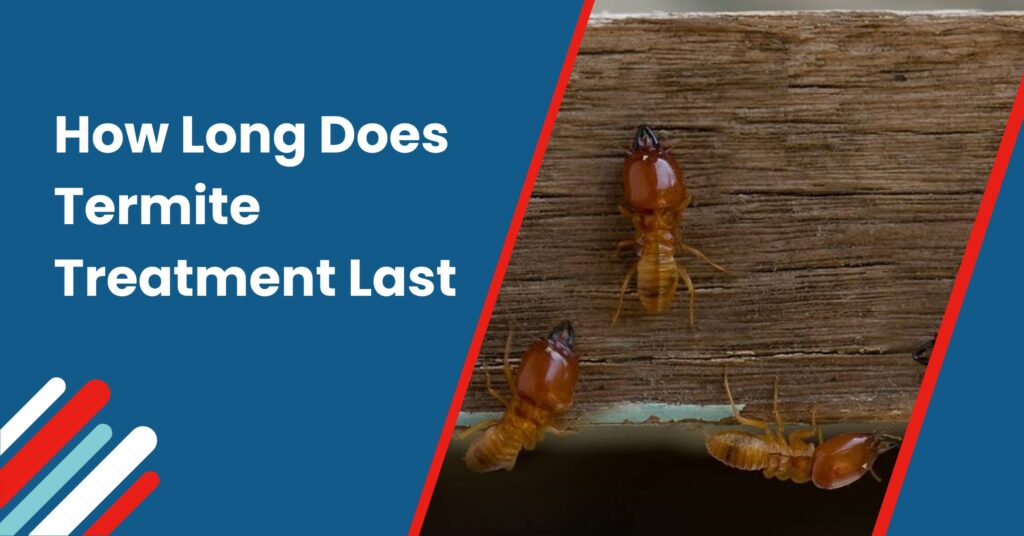
Most homeowners want to know how long termite treatment will protect their property. The answer is not the same for every home.
The lifespan of termite protection depends on the treatment method, product used, soil and moisture conditions, construction of the property, and how well the treatment is maintained. Some termite treatments can provide protection for several years, while bait systems require regular monitoring and maintenance.
In NYC, older homes, brownstones, basements, crawl spaces, and moisture problems can create favorable conditions for termites. That makes regular inspections important even after professional treatment.
If you have already treated your property or suspect termite activity, understanding how termite protection works can help you decide when another inspection may be necessary.
Get Emergency Termite Control Service
Professional termite inspections and treatments help detect infestations early, eliminate termite colonies, and protect your property from costly damage.
How Long Does Termite Treatment Last?
There is no single expiration date for every termite treatment.
A professional termite treatment may continue working for years, but its effectiveness depends on the treatment method and conditions around your property.
Here is a general comparison:
Treatment Type | How It Works | Maintenance |
Liquid termite treatment | Creates a treated zone that helps prevent termite entry | Depends on product, soil, and property conditions |
Bait systems | Uses monitored stations to target termite colonies | Requires regular inspections and bait maintenance |
Wood treatment | Protects accessible wood from termite activity | Effectiveness depends on moisture and exposure |
Your pest control professional should explain the expected service life of the specific product used at your property rather than giving you a generic number.
How Long Do Liquid Termite Treatments Last?
Liquid termite treatments create a treated zone around areas where termites may enter a structure.
The duration of protection depends on several factors. These include the product used, soil conditions, moisture, construction, rainfall, and whether the treated area is disturbed later.
For example, excavation, landscaping, plumbing work, drainage changes, or other construction can disturb treated soil. When that happens, additional inspection may be needed to determine whether the existing protection remains effective.
This is why homeowners should not assume that a liquid treatment automatically provides the same level of protection for a fixed number of years.
A professional inspection can determine whether additional treatment is necessary.
How Long Do Termite Bait Systems Last?
Termite bait systems work differently from liquid barriers.
Instead of creating one continuous chemical barrier, bait stations are placed around the property and monitored over time. Termites feed on the bait and can transfer the active ingredient through the colony.
The important point is that bait systems require ongoing monitoring.
Technicians may inspect stations regularly and replace or replenish bait when necessary. The system can therefore remain part of a long-term termite management program as long as it is properly maintained.
If inspections stop, damaged stations, depleted bait, or new termite activity may go unnoticed.
How Long Do Wood Treatments Last?
Wood treatments are designed to protect accessible wood from termite activity.
Their effectiveness depends on where the product is applied and whether the treated wood remains exposed to moisture or other environmental conditions.
This can be especially important in older NYC properties. Basements, crawl spaces, sill plates, joists, and other areas may have a history of moisture or limited ventilation.
If moisture remains present, termite problems can become more difficult to control.
For this reason, termite treatment should not focus only on applying a product. Correcting moisture problems and other conditions can also help protect the property.
What Can Shorten the Life of Termite Protection?
Several conditions can reduce the effectiveness of termite protection or create new opportunities for termite activity.
Common factors include:
- Excess moisture around the foundation
- Plumbing leaks
- Poor drainage
- Soil movement
- Landscaping changes
- Construction or renovation
- New cracks or openings
- Wood contacting soil
- Untreated areas around additions
- Failure to maintain bait stations
- Lack of follow-up inspections
For example, a homeowner may receive termite treatment and later install new landscaping along the foundation. Excavation could disturb a previously treated area.
That does not necessarily mean the original treatment failed. It means the property may need another inspection after the work.
Why Moisture Matters for Termites
Moisture is one of the most important conditions to control when managing termites.
Leaking pipes, poor drainage, foundation moisture, clogged gutters, and damp basements can create favorable conditions for termite activity.
NYC properties can have additional challenges because many older buildings have aging plumbing, foundations, and basement spaces.
Homeowners can reduce risk by:
- Fixing plumbing leaks quickly
- Keeping gutters clear
- Directing downspouts away from the foundation
- Improving drainage
- Repairing water damaged wood
- Keeping crawl spaces and basements as dry as possible
These steps do not replace professional termite treatment, but they can support a long-term prevention plan.
How to Make Termite Protection Last Longer
Professional treatment is only one part of termite prevention.
You can help protect your property by following a few simple steps.
Schedule Regular Inspections
Regular inspections can identify new termite activity before significant damage develops.
Control Moisture
Repair leaks and address drainage problems as soon as possible.
Keep Wood Away From Soil
Avoid direct contact between structural wood and soil whenever possible.
Maintain Gutters and Downspouts
Make sure rainwater moves away from your foundation rather than collecting next to the structure.
Check After Renovations
If you have landscaping, plumbing, excavation, or construction work completed near the foundation, ask your pest professional whether another inspection is appropriate.
Follow Your Treatment Program
If you have a bait station system or service agreement, keep scheduled inspections. Skipping visits can allow termite activity to go undetected.
How Do You Know You May Need Another Termite Treatment?
Termite activity can return even after professional treatment.
Look for signs such as:
- New mud tubes
- Discarded termite wings
- Hollow or damaged wood
- Small holes in wood
- Blistering or damaged wood surfaces
- Doors or windows that suddenly become difficult to close
- Wood that appears weakened
- New termite activity around the foundation
Seeing one of these signs does not automatically mean you need complete retreatment.
The best next step is a professional inspection. The technician can determine whether the activity is current, whether previous protection remains effective, and what treatment may be appropriate.
Do You Need Annual Termite Inspections?
In many cases, regular termite inspections are a smart part of long-term property protection.
An inspection does not necessarily mean you need another treatment.
Instead, it allows a professional to look for:
- New termite activity
- Moisture problems
- Damaged wood
- Entry points
- Changes around the foundation
- Problems with bait stations
- Areas disturbed by construction
For properties with previous termite activity, regular inspections can provide an early warning before damage becomes extensive.
What About Termite Treatment Warranties?
Some pest control companies offer warranties or service agreements with termite treatments.
The terms vary between companies and treatment programs. Some agreements may require scheduled inspections or annual renewal to remain active.
Before choosing a termite treatment, ask:
- How long is the warranty?
- What does it cover?
- Are inspections required?
- Are retreatments included?
- Are repairs included?
- What could void the warranty?
Always read the actual agreement rather than assuming every termite warranty provides the same protection.
How Much Does Termite Treatment Cost in NYC?
The cost of termite treatment varies from property to property.
Factors that can affect pricing include:
- Property size
- Termite species
- Infestation severity
- Treatment method
- Accessibility
- Foundation type
- Moisture conditions
- Amount of damaged wood
- Number of treatment areas
- Follow-up requirements
Older NYC properties may require additional inspection because termites can hide in difficult-to-access areas such as basements, crawl spaces, wall voids, and structural wood.
If you are comparing options, ask for a written inspection and estimate that explains exactly what the treatment includes.
For more information, see our guide to Termite Treatment Cost in NYC.
Why Do Termites Come Back After Treatment?
Termite activity after treatment does not always mean the original treatment was unsuccessful.
New termites may enter through areas that were not previously affected. Construction can also create new access points. Moisture problems may attract termites to another part of the property.
This is why long-term termite management should combine treatment with inspection and prevention.
The goal is not simply to eliminate the termites you can see. It is to reduce the conditions and entry points that allow termite activity to develop again.
When Should You Contact a Termite Professional?
Contact a professional if you:
- Find mud tubes
- See discarded termite wings
- Discover damaged or hollow wood
- Notice unexplained wood damage
- Have had termites at the property before
- Are buying or selling a property with possible termite activity
- Are planning construction near a previously treated area
- Have moisture problems near the foundation
Early inspection can help identify termite activity before it leads to more extensive structural damage.
Why Choose Diamond Plus Pest Control?
Termite problems require more than a quick spray.
Diamond Plus Pest Control provides termite inspections and treatment options for properties throughout NYC. Our approach begins with identifying the signs of termite activity and understanding the conditions around the property.
Depending on the situation, a treatment plan may include targeted treatment, monitoring, prevention recommendations, and follow-up inspections.
If you have noticed termite activity or want to check whether an older treatment is still providing adequate protection, a professional inspection can help you understand your next steps.
Conclusion
How long termite treatment lasts in NYC depends on the treatment method and the conditions around your property. Liquid treatments can provide long-term protection, while bait systems require regular monitoring and maintenance. Wood treatments also depend on moisture and exposure.
There is no universal date when every termite treatment stops working.
Regular inspections, moisture control, proper drainage, and timely maintenance can help protect your property and identify new activity early.
If you are unsure whether your existing termite protection is still effective, schedule a professional termite inspection. Diamond Plus Pest Control can evaluate your property and recommend the appropriate next step.
Call Diamond Plus Pest Control at (718) 427-6200 to schedule a termite inspection.
Frequently Asked Questions
How long does termite treatment last in NYC?
There is no fixed lifespan for every treatment. Duration depends on the treatment method, product, soil, moisture, construction, and maintenance.
How often should termite treatment be done?
It depends on the treatment and property. Some systems require periodic inspections and maintenance rather than complete retreatment. Your pest professional can recommend an appropriate schedule.
Do I need annual termite inspections after treatment?
Regular inspections are recommended for properties with previous termite activity or higher risk conditions. An inspection does not automatically mean another treatment is needed.
Can termites come back after treatment?
Yes. New termite activity can occur if termites find another entry point or favorable conditions develop. Regular monitoring can help detect activity early.
Does rain reduce the effectiveness of termite treatment?
Rain and soil conditions can affect some treatment systems, especially when treated soil is disturbed or drainage changes. A professional can determine whether additional inspection is needed.
What are the first signs of termites?
Common signs include mud tubes, discarded wings, damaged wood, hollow sounding wood, and other unexplained structural wood damage.
Is termite treatment worth it for an older NYC home?
It can be, especially when the property has a history of termite activity or conditions such as moisture and wood to soil contact. An inspection can help determine the actual risk.
How much does termite treatment cost in NYC?
Pricing varies based on the property, infestation, treatment method, accessibility, and follow-up requirements. A professional inspection is the best way to receive an accurate estimate.