When you spot pests in your home, one of the first questions that likely crosses your mind is, “How long will this pest control process take?” Whether it’s ants, termites, or rodents causing trouble, understanding the time it takes for professional pest control to both perform and work effectively can help you manage your expectations and prepare properly.
We’ll explore how long the treatment process itself takes, what factors influence the timeline, how quickly you’ll see results, and the best practices for preparing for a pest control visit.
1. How Long Does a Professional Pest Control Visit Take?
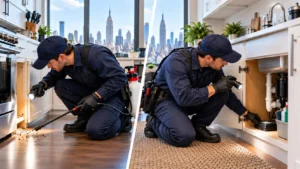
Typically, a pest control service visit can last anywhere from 30 minutes to a few hours, depending on the size of your property and the nature of the infestation. Here’s what happens during the visit:
- Inspection: The pest control technician will conduct a thorough inspection of your property to assess the severity of the infestation. This can take anywhere from 15 to 45 minutes, depending on the size of your home and the pest species.
- Treatment: After the inspection, the technician will apply the treatment. For minor pest problems, this might only take 30 minutes, but for more severe infestations, the treatment could take several hours, especially if multiple rooms or outdoor areas are involved.
- Follow-Up Scheduling: Depending on the pest type and treatment plan, the technician may schedule a follow-up visit. This ensures the treatment has worked and to check if additional measures are needed.
While the visit itself doesn’t take long, the overall process includes ongoing care, especially for larger infestations.
2. How Long Does Pest Control Take to Work? (Results Timeline)
The timeline for seeing results from professional pest control varies depending on the pest and treatment method. Here’s what you can generally expect:
- Immediate Effects: Some pest treatments, especially those targeting insects like roaches or ants, may show results within 24-48 hours. However, these pests may be eliminated gradually as the treatment continues to work.
- Full Effectiveness: For more complex infestations, like termites or bed bugs, it can take several weeks for full eradication. Some treatments require more than one application to fully address the issue, especially when dealing with pests that are harder to reach or have deeply nested in walls or flooring.
Understanding that pest control is often a gradual process will help you avoid the frustration of expecting instant results.
3. Factors That Affect How Long Pest Control Takes
Several factors can affect the timeline of pest control treatment. These include:
- Pest Type: Different pests require different treatment methods. For example, termite treatment can take longer due to the need for specialized chemicals and techniques, while ant treatments can be done quickly with bait stations.
- Infestation Severity: A minor infestation might only require one treatment, while a severe infestation might require multiple treatments and a longer timeline.
- Property Size: Larger homes or commercial properties will require more time for inspection and treatment, as more areas need to be covered.
- Treatment Method: The method used can also impact the timeline. For example, fogging and spraying take less time but may need reapplication, while baiting systems might take longer to show full results.
- Follow-Up Treatments: Sometimes pest control requires more than one visit to ensure full elimination, especially if pests like bed bugs or termites are involved.
These factors are all part of the equation in determining how long professional pest control will take.
4. Timelines by Pest Type
The time needed to treat different pests varies. Here’s a general idea of what to expect for common infestations:
- Ants: One treatment, typically a few hours, and visible results in 24-48 hours.
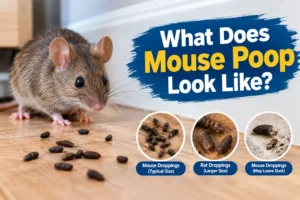
- Rodents: Rodent control treatments can take several hours for the initial visit. Ongoing trapping or baiting might be necessary for a few weeks.
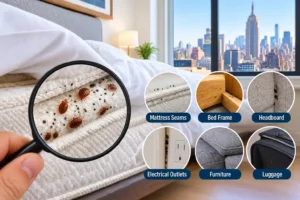
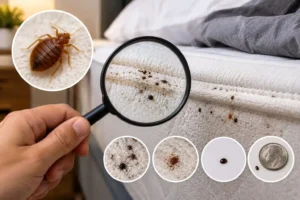
- Bed Bugs: These treatments are more complex and might take several hours per session, with follow-up visits needed for up to 2 weeks to ensure complete eradication.
- Termites: Professional termite treatment often involves several hours of treatment. It can take a few weeks to a month for full eradication, especially for large infestations.
5. How Long After Pest Control Can I Go Inside? (Re-entry & Safety)
After pest control has been applied, it’s essential to know when it’s safe to re-enter your home. This varies depending on the treatment:
- Chemical Treatments: If the technician has used chemical sprays or foggers, you may be asked to stay out of the treated area for a few hours up to 24 hours to allow the chemicals to settle and dry.
- Natural Treatments: For eco-friendly treatments, such as those using non-toxic methods, the re-entry time is typically shorter, usually only a few hours
Follow the technician’s guidance carefully to ensure your safety and the effectiveness of the treatment.
6. Why It’s Important to Know the Timeline
Understanding the timeline of pest control is crucial for setting expectations. Knowing when to expect results and understanding the treatment duration helps you make informed decisions about follow-up treatments and your lifestyle. This also ensures you can minimize exposure to harmful chemicals, plan your activities, and stay safe.
7. Get Expert Pest Control Today!
If you’re dealing with a pest problem, don’t wait to take action. Professional pest control can help you eliminate pests quickly and effectively. Reach out to a licensed pest control service for a comprehensive assessment, treatment plan, and timeline. Protect your home, family, and business from pests today!
8. FAQ:
- How long does pest control spray last?
Most pest control sprays last anywhere from a few weeks to several months, depending on the type of pest and the treatment used. - How often should pest control be done?
The frequency of pest control treatments varies based on the type of pest and the level of infestation. Typically, quarterly treatments are recommended for general maintenance. - Why is pest activity still increasing after treatment?
It could be due to the type of pest, the severity of the infestation, or ineffective treatment. A follow-up visit may be necessary to address the issue fully. - Does pest control stop instantly or gradually?
Pest control treatments typically take time to be fully effective, and pests will gradually decrease as the chemicals or traps take effect.