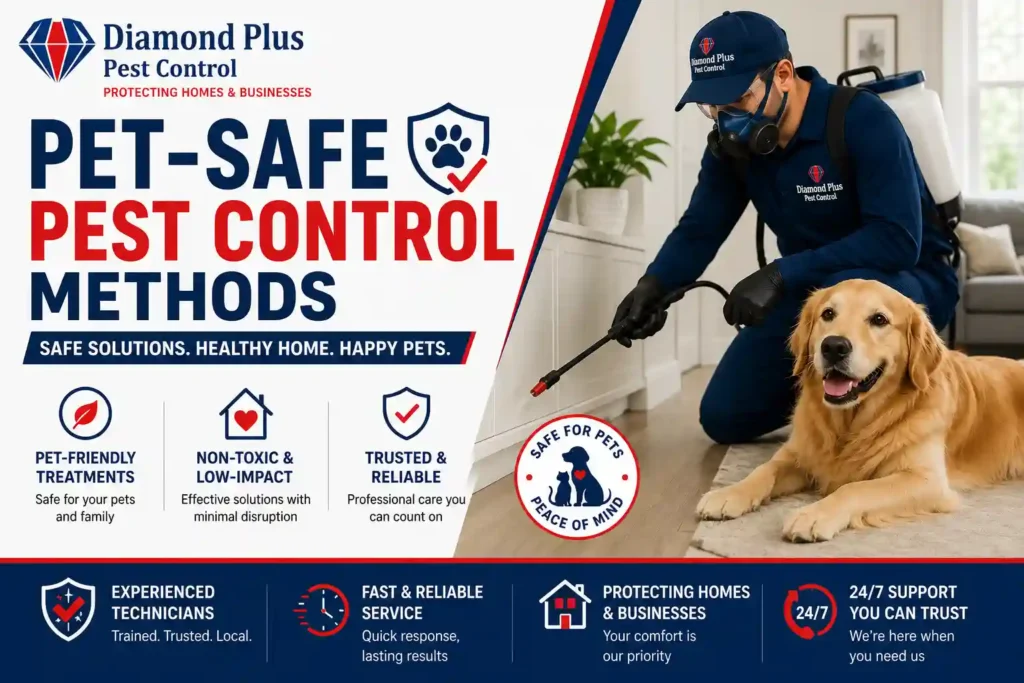
Sharing a home with dogs, cats, or other animals changes how you should approach pest problems. Many standard sprays and baits contain chemicals that are dangerous for pets, even in small amounts. That’s why more homeowners across the USA are searching for pet safe pest control methods that get rid of ants, roaches, rodents, and fleas without putting furry family members at risk. This guide breaks down what these methods are, how they work, what they cost, and how to avoid common mistakes — so you can make an informed, safe decision for your home.
What Are Pet-Safe Pest Control Methods?
Pet safe pest control methods are treatments and strategies used by Pest Control NYC services to eliminate pests while minimizing exposure to toxins that can harm cats, dogs, and other household animals. Unlike conventional pesticides, which often rely on synthetic chemicals like organophosphates or pyrethroids in concentrated forms, pet-safe approaches use lower-toxicity ingredients, targeted application techniques, and natural alternatives.
These methods matter because pets are far more sensitive to chemical exposure than humans. Their smaller body size, tendency to lick paws and fur, and close contact with floors and lawns mean they absorb residues faster and in higher concentrations relative to their weight. A treatment that’s technically “safe” for a household can still cause vomiting, tremors, or worse in a curious dog or cat.
Search intent around this topic is almost always commercial — people aren’t just curious, they’re actively comparing options before hiring someone or buying a product. That’s why working with experienced pest management professionals who understand pet-safe protocols is often the smarter route compared to guessing with over-the-counter products.
Types of Pet-Friendly Pest Solutions
There isn’t a single approach that works for every pest problem. Effective pet-friendly pest solutions typically fall into a few categories:
- Botanical and essential oil-based repellents – Formulas using cedarwood, peppermint, or clove oil repel insects without the neurotoxic effects of synthetic pesticides.
- Diatomaceous earth (food-grade) – A natural powder that dehydrates insects on contact and is non-toxic if ingested in small amounts.
- Biological controls – Living organisms, such as beneficial nematodes, that target pest larvae in soil without chemical residue.
- Beneficial insects – Ladybugs, lacewings, and predatory mites that naturally control aphids, mites, and other lawn or garden pests.
- Mechanical and exclusion methods – Sealing entry points, traps, and barriers that physically prevent infestations rather than relying on chemistry at all.
- Low-toxicity baits in tamper-resistant stations – Used for rodents or ants, placed where pets cannot physically access them.
Each solution suits different pests and environments, which is why a tailored assessment usually outperforms a one-size-fits-all product from a shelf.
How Pet-Safe Products and Approaches Work
Understanding the mechanism behind these treatments helps explain why they’re safer without being less effective.
Beneficial nematodes, for example, are microscopic worms applied to soil where they seek out and infect pest larvae — such as flea larvae, grubs, and fungus gnats — with bacteria that’s harmless to mammals but lethal to the target insect. Because nematodes work biologically rather than chemically, there’s no toxic residue for pets to ingest through paws or grass.
Diatomaceous earth works mechanically: its microscopic sharp edges damage the exoskeleton of insects, causing them to dehydrate. It’s non-systemic, meaning it doesn’t get absorbed into an animal’s bloodstream the way many pesticides do.
Essential-oil repellents work by disrupting the sensory receptors insects use to locate food and mates, driving them away from treated areas rather than poisoning them outright.
Professional application matters here too. Even natural products can be misused — applied at the wrong concentration, in the wrong location, or too frequently — reducing effectiveness or creating unnecessary risk. This is where trained technicians add real value over DIY guesswork.
Regulations and Safety Standards in Ohio
Pest control regulations vary by state, and homeowners should understand the baseline standards that govern treatments used near pets and children. In Ohio, pesticide application is overseen by the Ohio Department of Agriculture, which requires licensed applicators to follow EPA-registered product labels exactly — including instructions on reentry intervals, application rates, and restrictions near water sources or sensitive areas.
Products labeled for residential use must disclose active ingredients, and any claims about being “pet safe” should align with EPA classification, not just marketing language. Reputable providers stay current with these standards and can explain, in plain terms, why a specific product or method is appropriate for a home with animals. If a company, including a Flea Control Service NYC provider, can’t answer detailed questions about ingredient safety or reentry times, that’s a red flag worth taking seriously.
Risks, Costs, and Mistakes to Avoid
Cost is often the deciding factor for homeowners choosing between DIY and professional treatment, but cutting corners can be expensive in the long run — both financially and for pet health.
Common DIY pest control mistakes include:
- Applying store-bought sprays at higher concentrations than labeled, assuming it will work faster
- Placing rodent bait stations in open areas pets can reach
- Mixing products that aren’t designed to be combined, creating unpredictable toxicity
- Ignoring reentry times and letting pets back into treated areas too soon
- Treating symptoms (visible pests) instead of the source (entry points, moisture, nesting sites), leading to repeat infestations and repeat spending
DIY pet-safe products generally range from $15–$60 per treatment, but repeated failed attempts often add up to more than a single professional visit. Professional pet-safe pest control services typically range from $150–$450 depending on property size and pest type, but include inspection, targeted treatment, and follow-up — reducing the risk of recurring infestations and accidental pet exposure.
Comparing Conventional and Eco-Friendly Methods
| Factor | Conventional Pest Control | Pet-Safe / Eco-Friendly Methods |
| Active ingredients | Synthetic pesticides, often broad-spectrum | Botanical oils, biological agents, low-toxicity compounds |
| Pet exposure risk | Higher, especially with sprays and open baits | Lower, with targeted or contained application |
| Speed of results | Often faster on contact | May take longer but reduces recurrence |
| Environmental impact | Can affect soil and water quality | Generally biodegradable and lower impact |
| Long-term effectiveness | Strong short-term knockdown | Strong when paired with exclusion and prevention |
Neither approach is universally “better” — the right choice depends on the pest, severity of infestation, and how much risk a household is willing to accept around pets. In many cases, the most effective plan blends both: using low-toxicity conventional products in truly contained, no-access areas, combined with biological and preventive methods elsewhere in the home.
Protect Your Pets With Trusted Pest Control Solutions
Choosing pet safe pest control methods isn’t just about avoiding harsh chemicals — it’s about protecting the animals that depend on you while still solving the pest problem effectively. Whether you’re dealing with fleas tracked in from the yard, ants in the kitchen, or a rodent issue in the basement, a tailored, professionally guided approach reduces risk and delivers longer-lasting results than trial-and-error DIY fixes.
If you’re located in New York and want an inspection from a team that understands pet-safe protocols, our Pest Control NYC services are built around thorough assessment and targeted treatment. Dealing with a bite problem specifically? Our Fast Bed Bug Treatment Services in NYC address infestations quickly using methods safe for households with animals. And if fleas are the concern, our Flea Control Service NYC targets both the pests and their eggs at the source, indoors and out.
Reach out today for an inspection and a treatment plan that keeps your home pest-free and your pets safe.
Frequently Asked Questions
Are pet-safe pest control methods as effective as regular pesticides? Yes, when applied correctly. Biological and low-toxicity methods may take slightly longer to show full results but are highly effective, especially when combined with exclusion techniques that prevent pests from returning.
Can I use beneficial nematodes if I have a lawn my dog plays on regularly? Yes. Nematodes are safe for pets and humans since they only target specific insect larvae in soil and don’t produce toxic residue.
How soon can pets go back into a treated area? This depends on the product used. Botanical and biological treatments often allow immediate reentry once dry, while any chemical-based product should follow the label’s specified reentry interval exactly.
Is DIY pest control cheaper than hiring professionals? Individual products cost less upfront, but repeated failed treatments and potential vet bills from accidental exposure often make professional service more cost-effective over time.
What’s the biggest mistake pet owners make with pest control? Using products not clearly labeled for homes with animals, or applying store-bought treatments at higher-than-recommended concentrations to “speed up” results — both significantly increase risk to pets.